Protect every corner of your school, faster and with less risk to human life.
An advanced less-lethal drone protection service developed in conjunction with leading security and law enforcement experts.








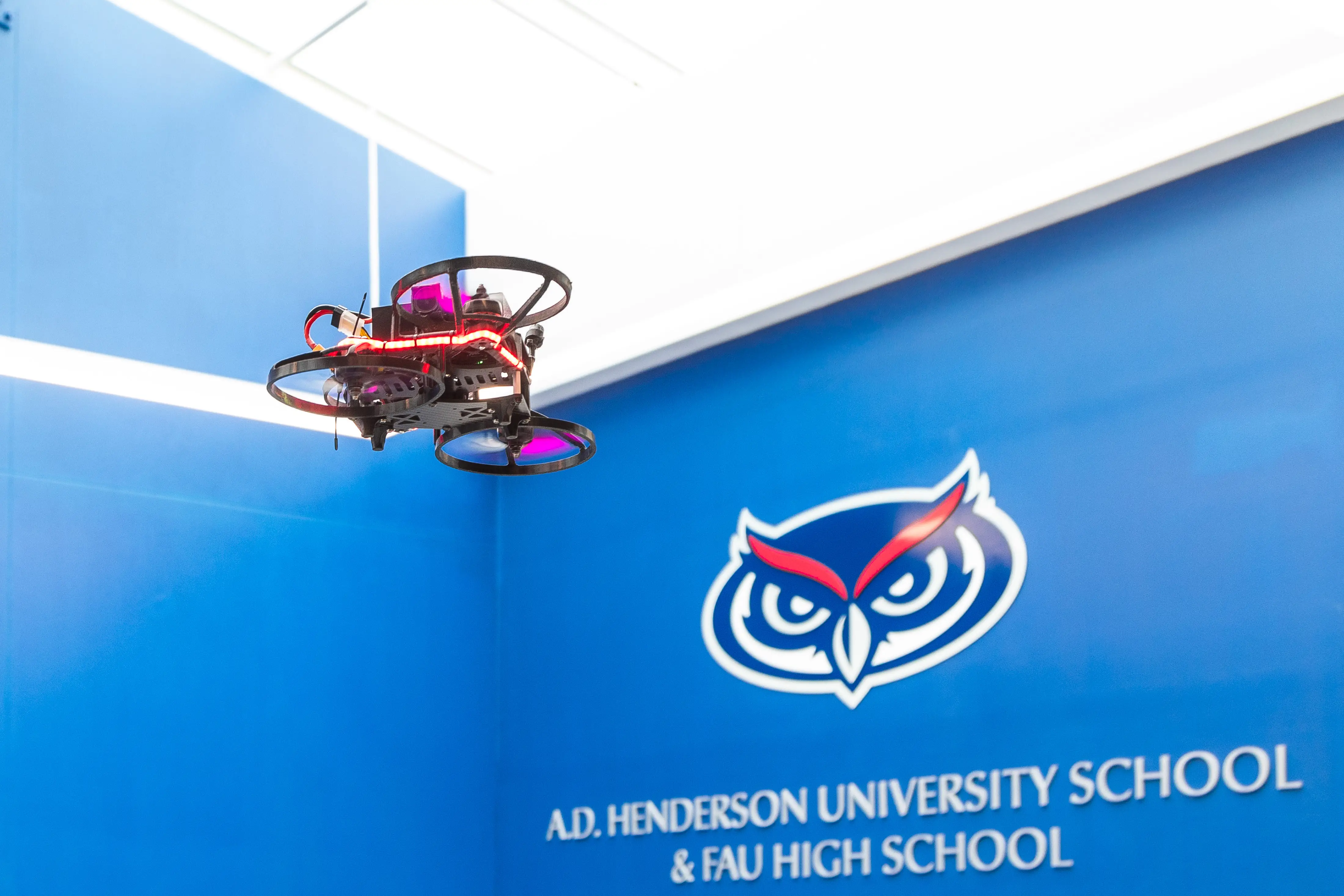
Advanced School Protection Powered by Safety Drones

Safer
Our drones save lives and support law enforcement in intervention methods

Faster
Instant support and 15-second response goal during active threat

Less-Lethal
Improve safety and lower risk to life without more weapons
Saves Lives & Improves Safety Without Disrupting Your School

More effective at saving lives than today’s primary methods.
Not only can we reach and even neutralize the attacker 10x faster than most other options, but our drone intervention system also keeps more humans out of harms way.
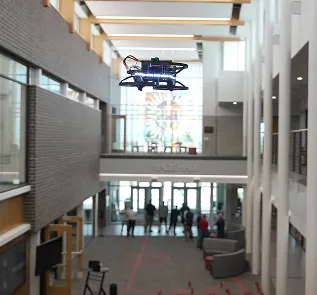
Reduces liability and risk by providing superior coverage.
A more precise intervention method that covers more square footage with faster engagement leads to lower risk of causing collateral damage and bodily harm.
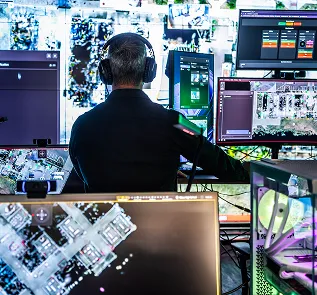
Compliments existing panic buttons and safety protocols.
The Campus Guardian Angel app and digital campus map provides vastly superior information sharing during an incident and improves real-time support.





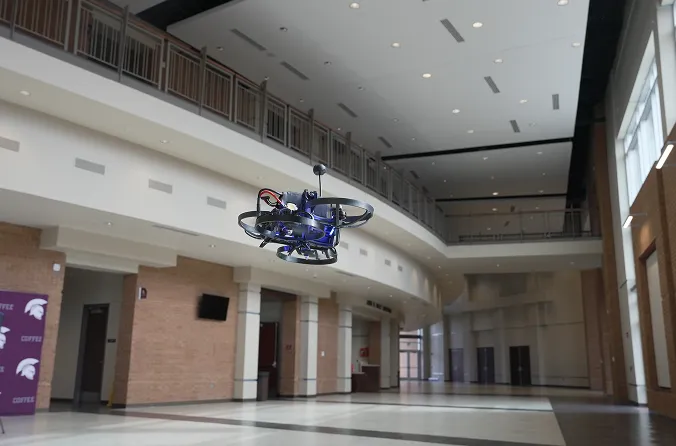
A Less-Lethal Drone Response System That Protects Innocent Lives from Active Shooters.
Protecting the entire campus and ready to respond instantly.
our drones save lives (46% of typical active shooter events result in first responder casualties)
drones are strategically positioned across campus in discreet, highly secure boxes
Less-lethal drones that distract, disorient, and incapacitate the shooter in 60 seconds.
much faster than humans alone (typically 1 to 10 minutes for SRO or police to arrive)
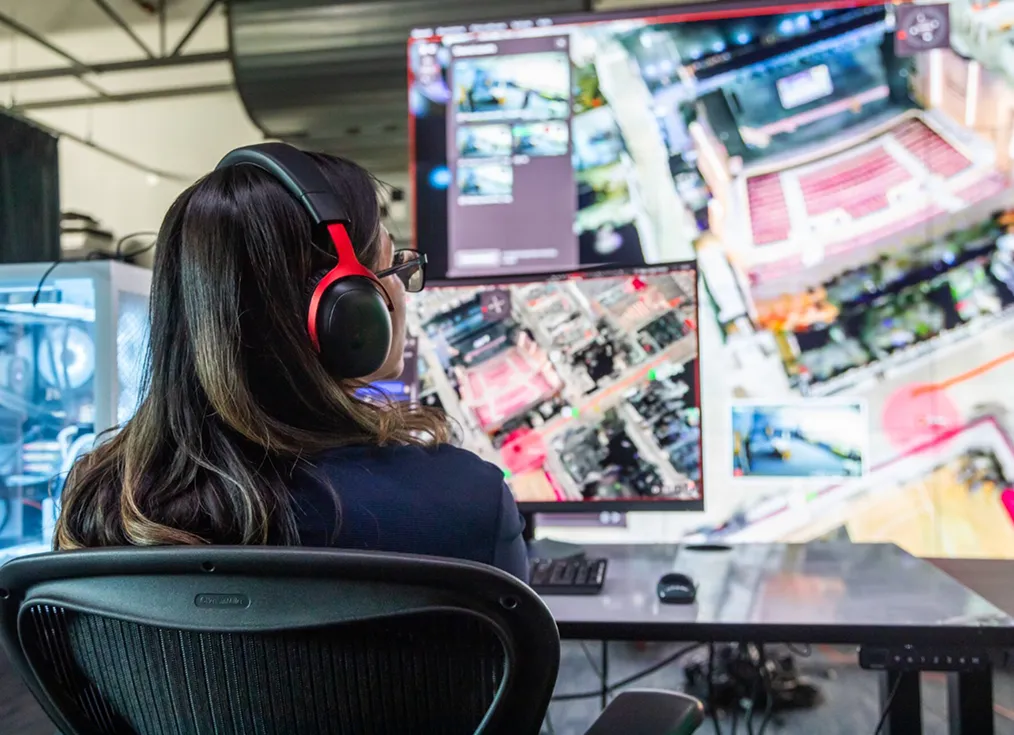
our remote team deploys our drones to find, intercept and contain the attacker
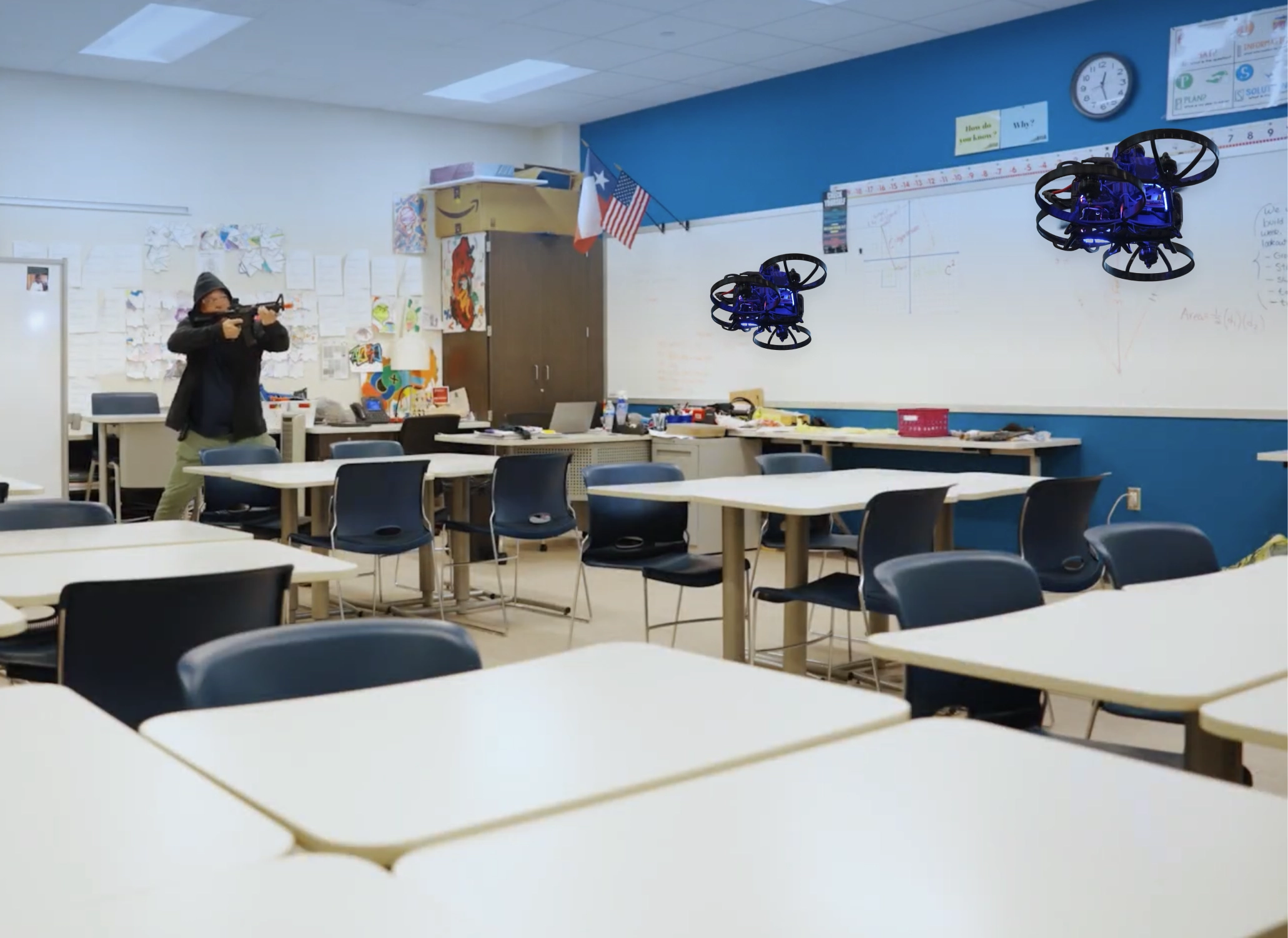
Keeping innocent lives out of harm’s way and reducing collateral damage.
our staff apps streamline real-time comms with teachers, SROs, and law enforcement
our emergency response team engages as soon as the alert is triggered and helps coordinate a fast, effective conclusion

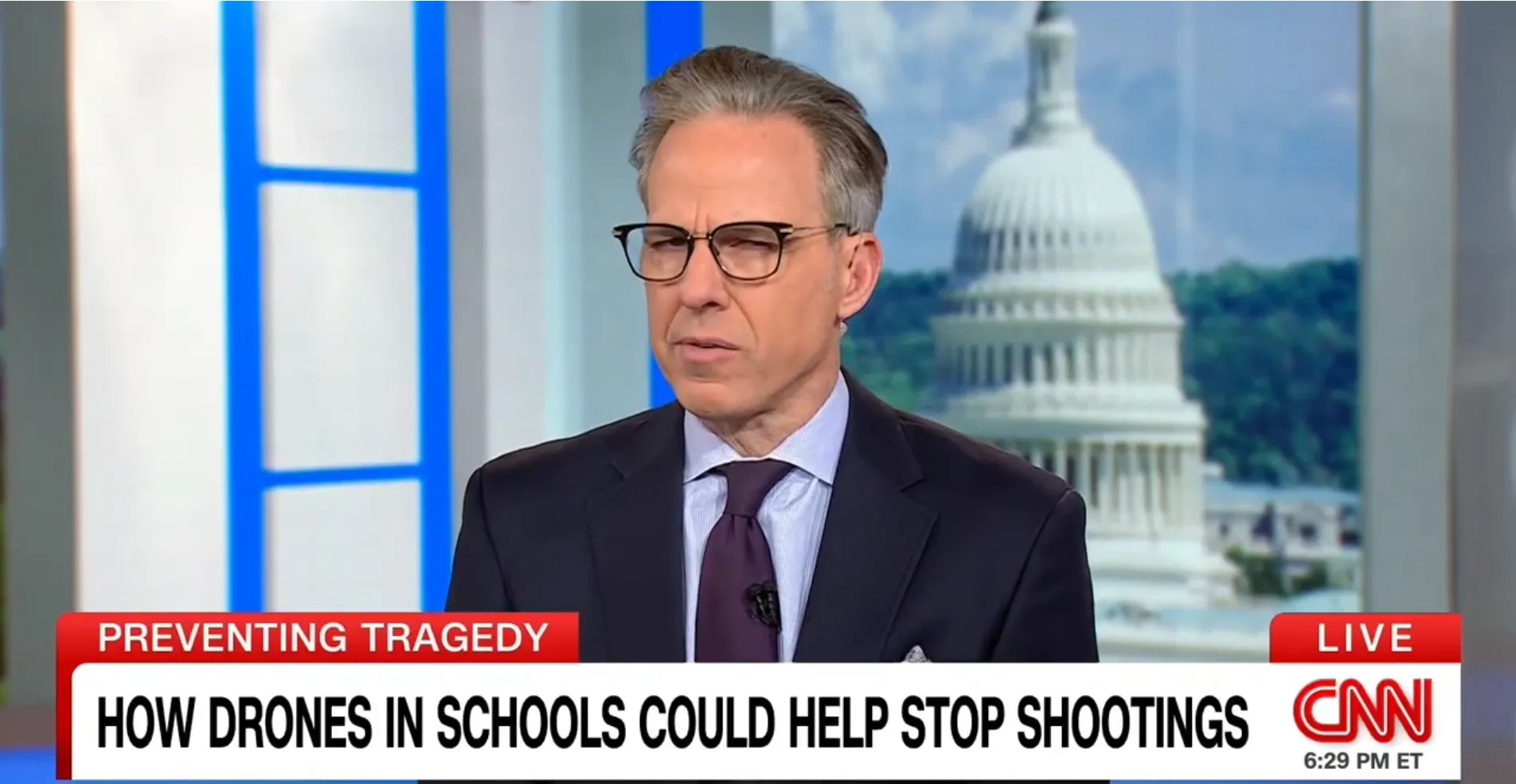
How drones in schools could help stop shootings

Texas company deploys drones to confront school shooters in seconds
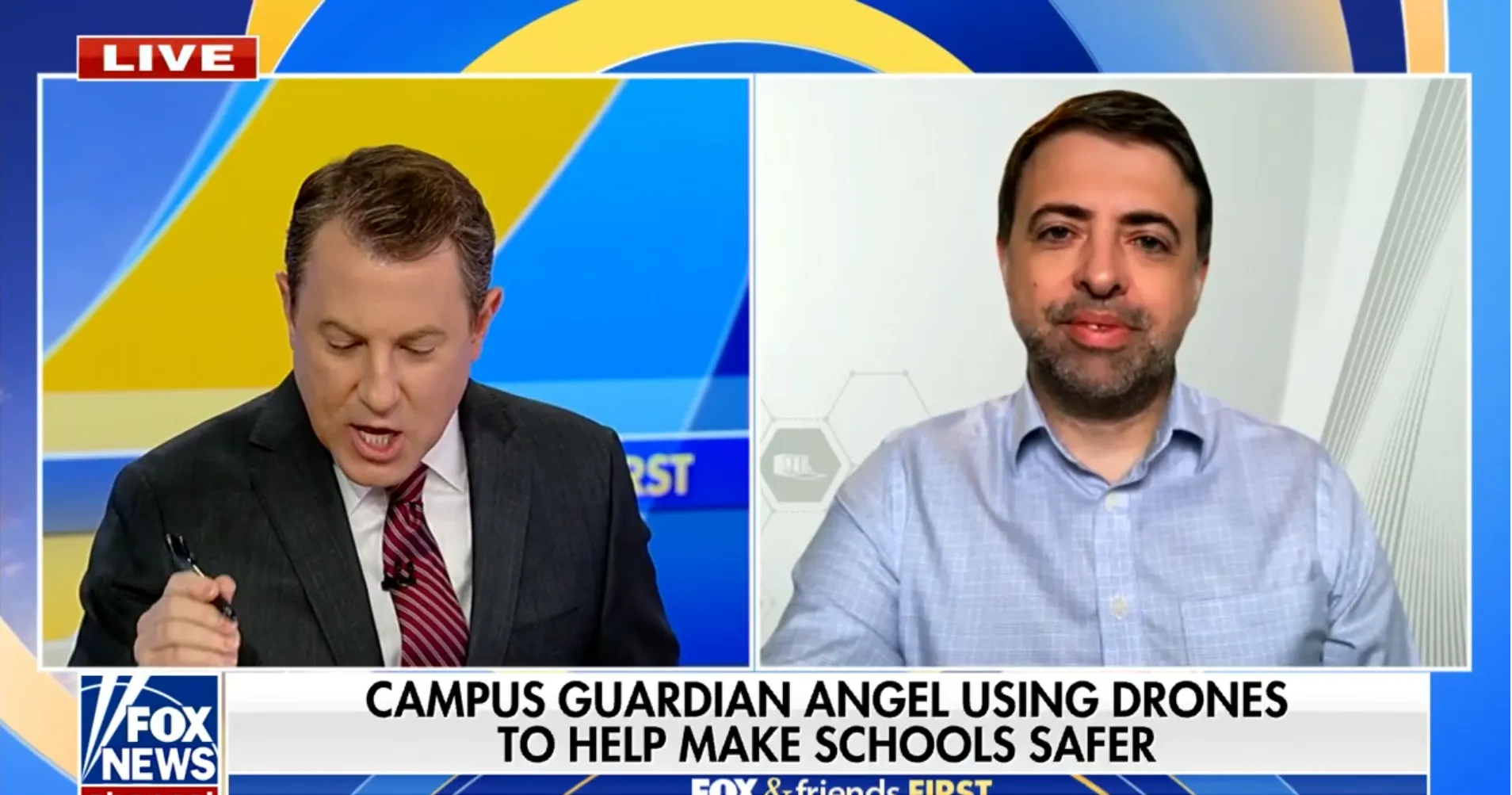

New program offers high-tech solution to make schools safer

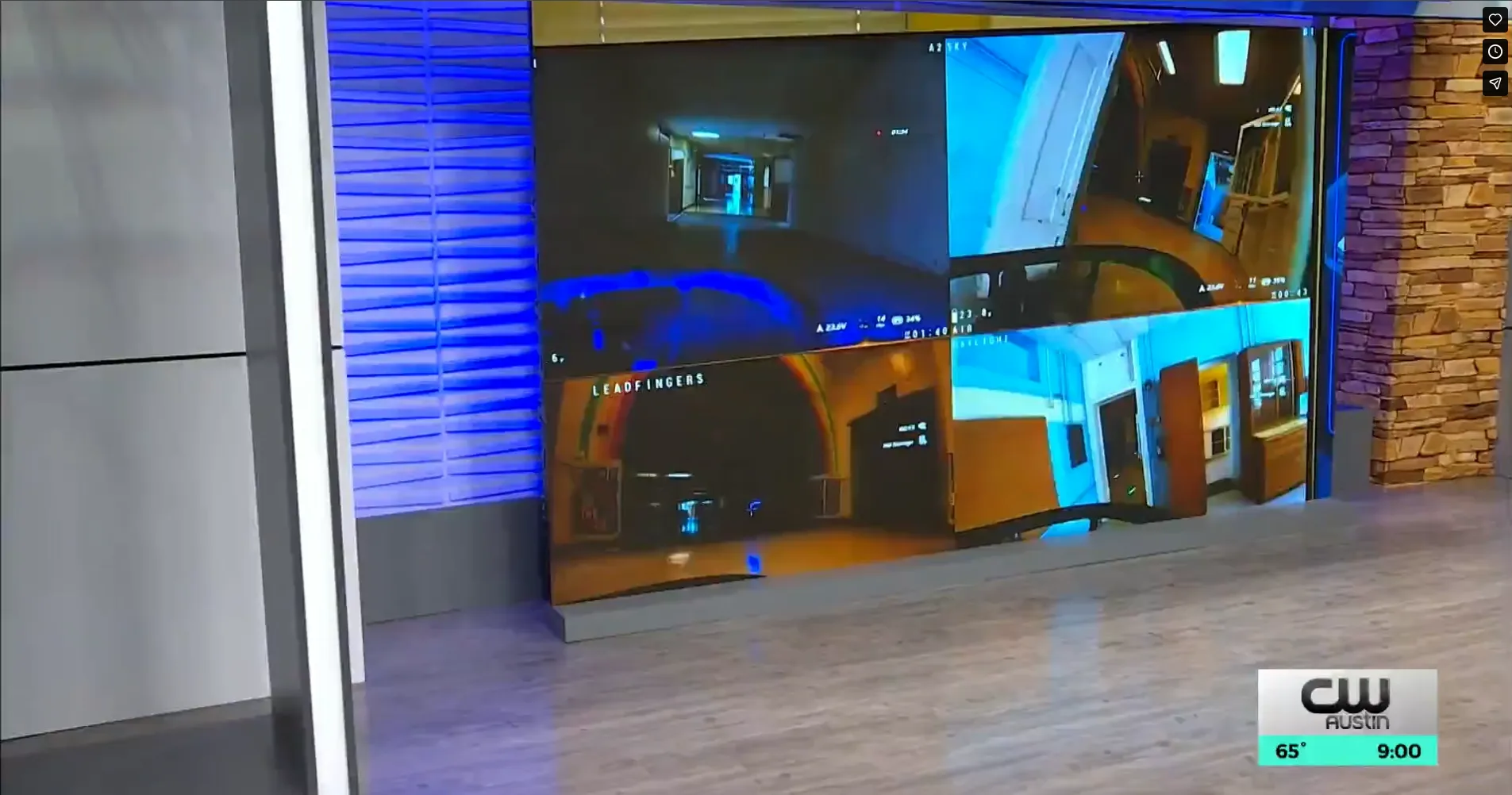
Innovating for Safer Schools

Technology could help protect Colorado schools

Could drones stop a school shooter?
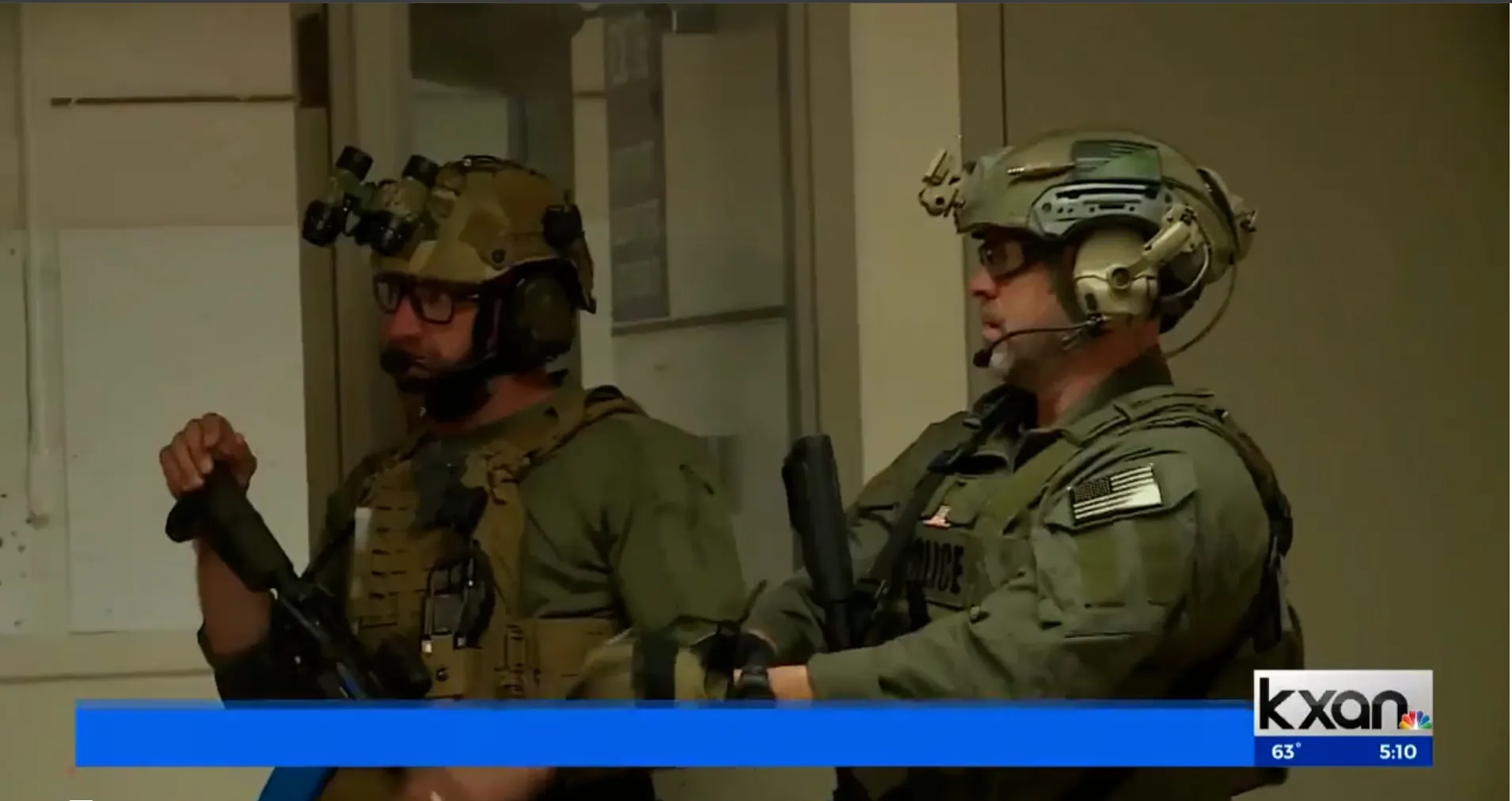

High-tech drone system could make schools safer

New drone technology could help make schools safer
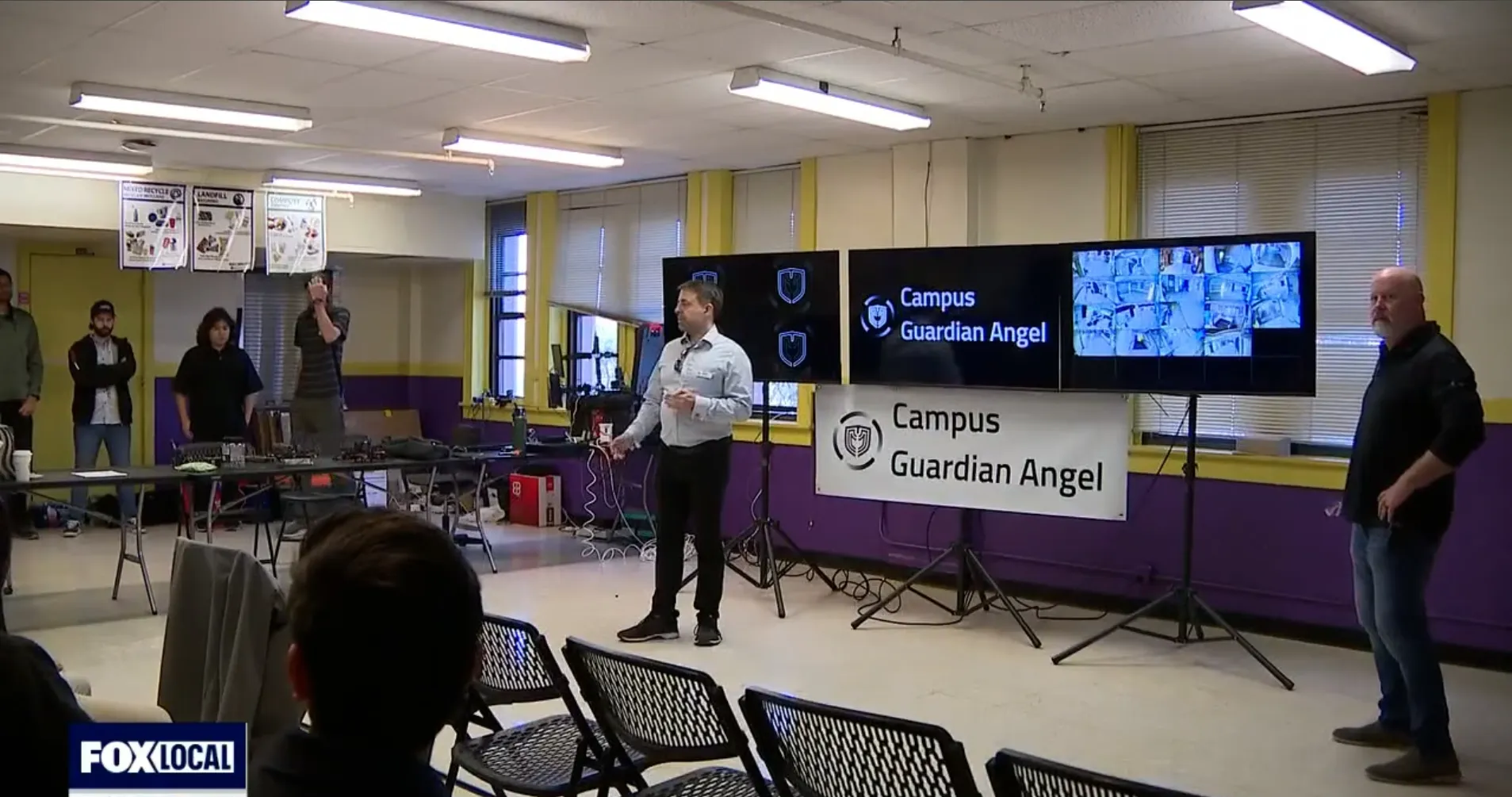

New drone tech helps school shooting responses
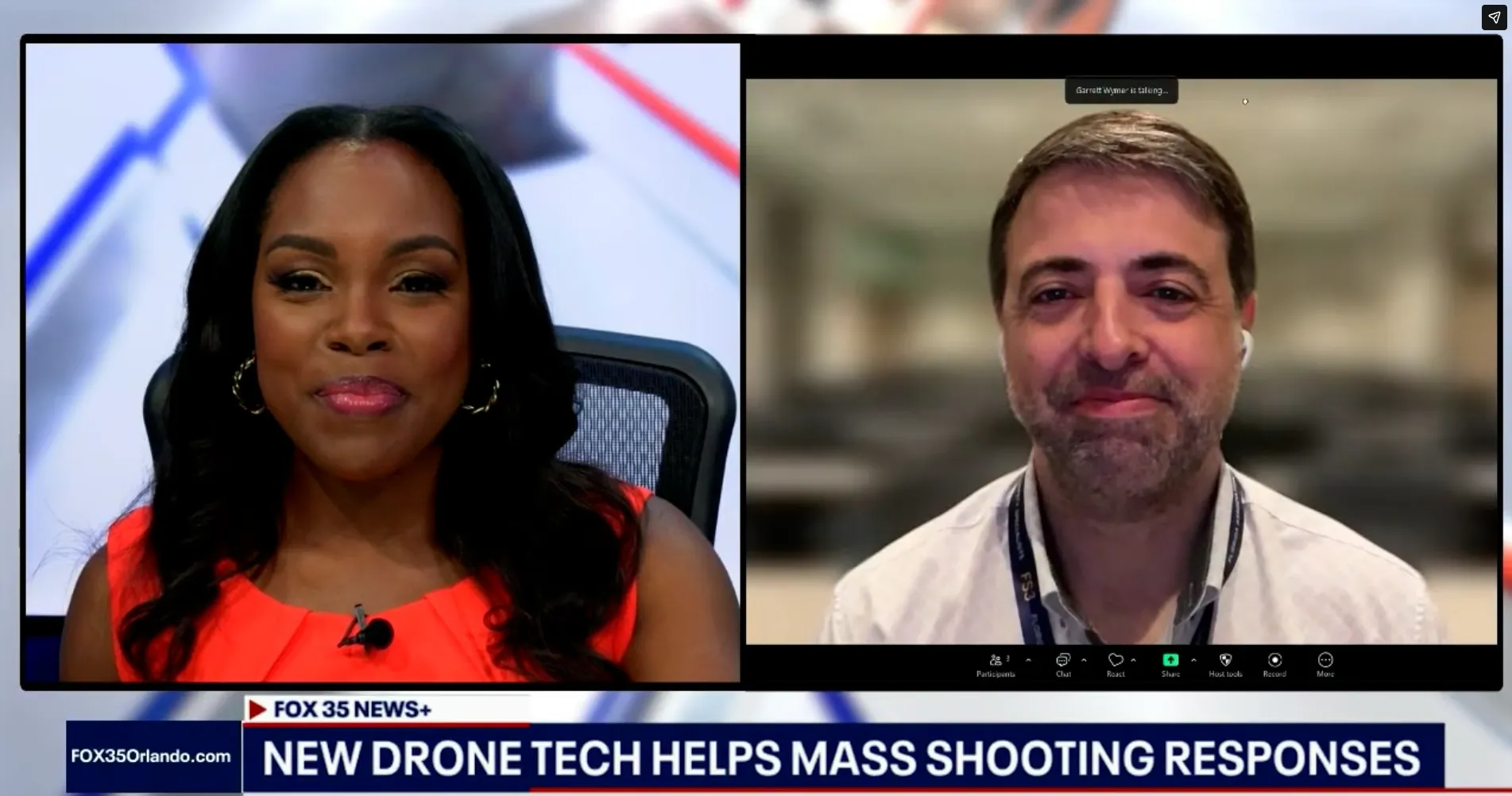

Texas-based startup shows off high-tech solution
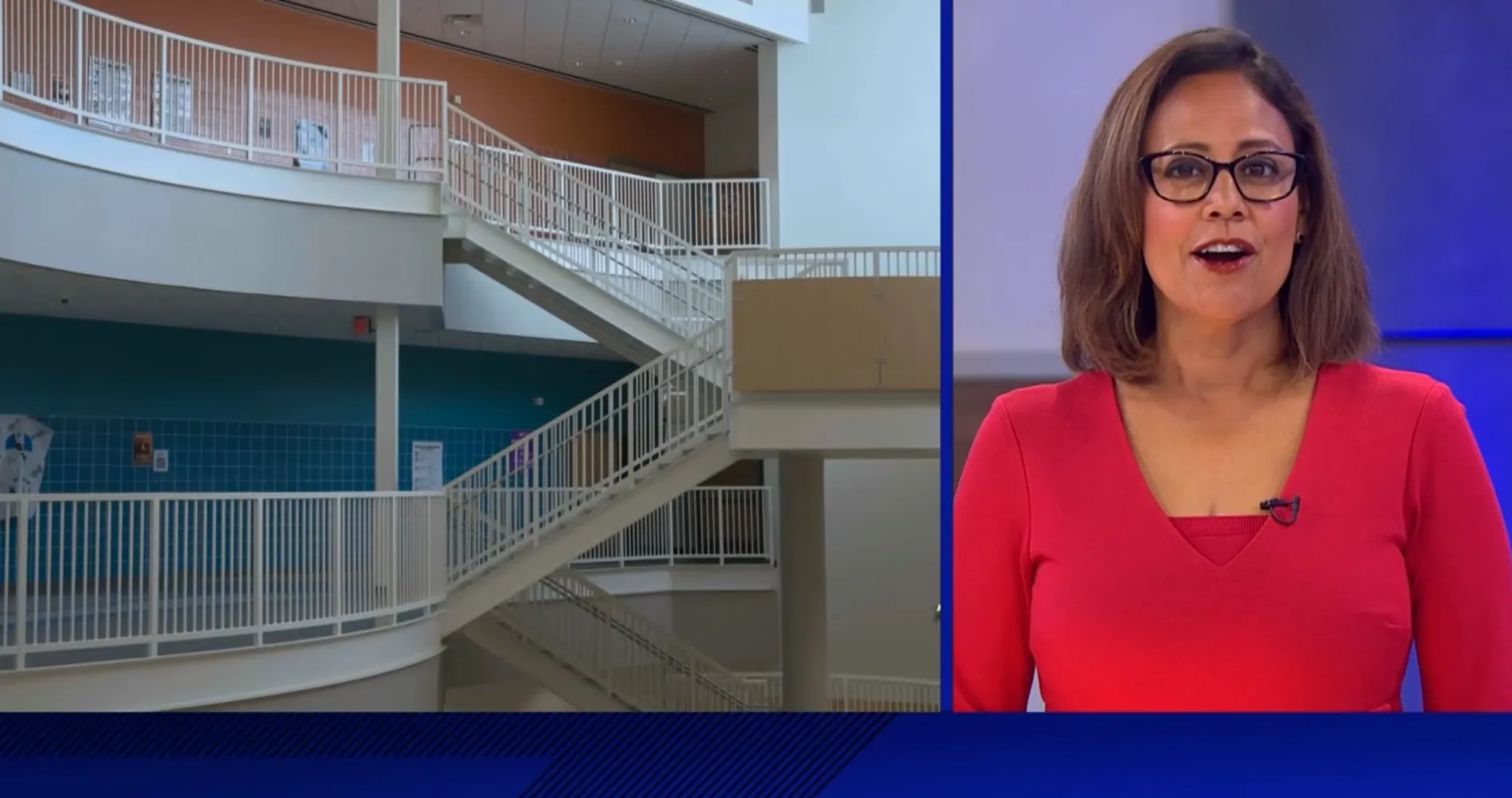
High Tech Drone Meant To Stop Active Shooters
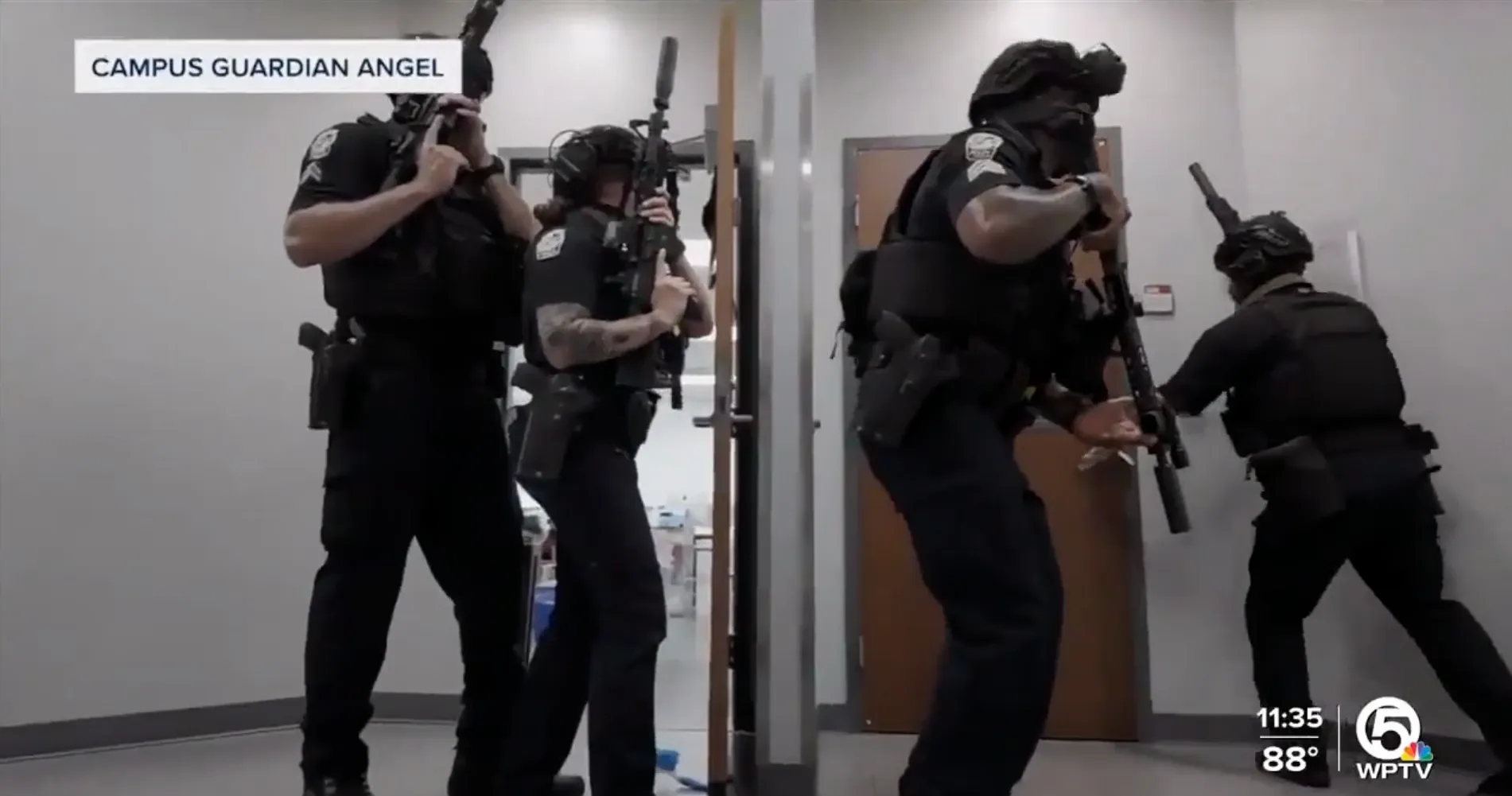
Developed in Conjunction with Schools & Law Enforcement
CGA was developed by a world-class team of security and technology experts, built and managed fully in the USA with highly rigorous development and testing methods.
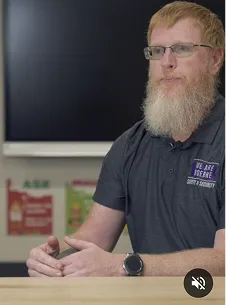


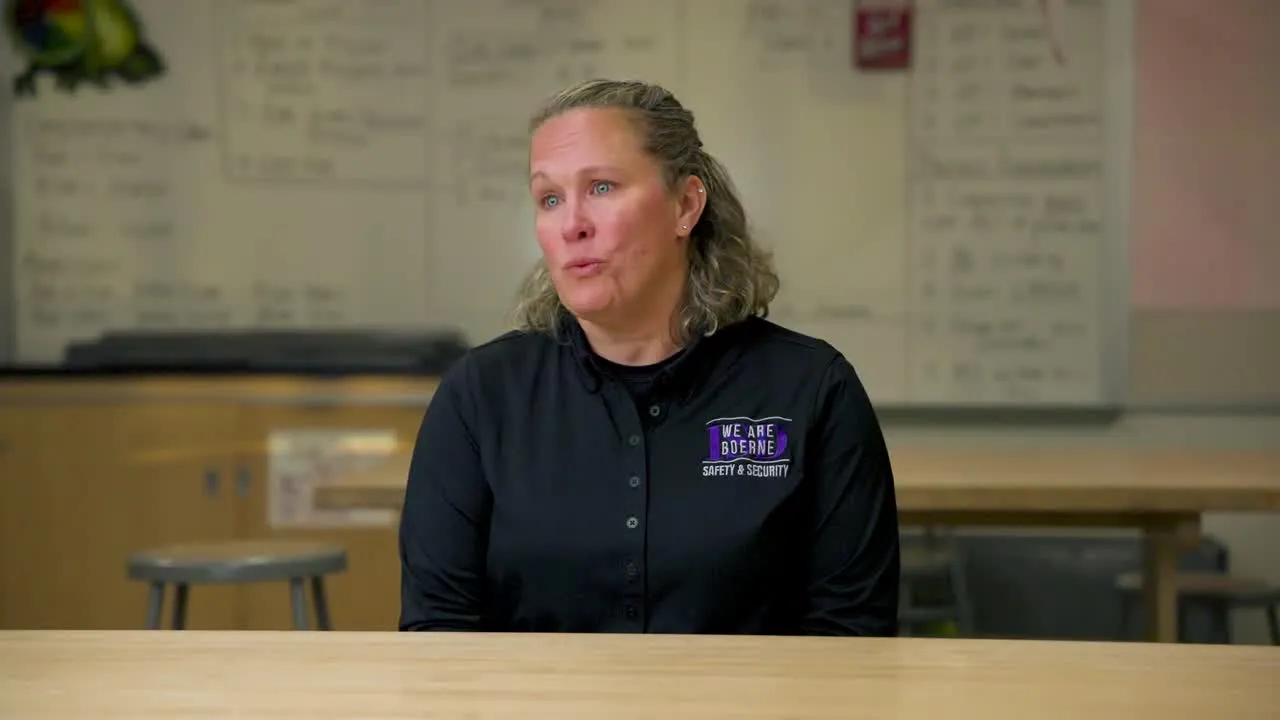


That's our goal, every day in our business, is to make sure kids go to school safe and we don’t lose one for any reason. And so I think this is a great way for this to happen.
Jaime Maquet-Randolph

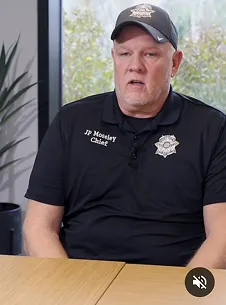
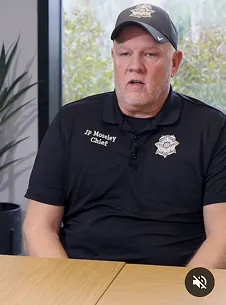
If they shoot at a drone, we haven’t lost a person. If they are focusing on a drone, they are not focusing on me, and I can move into a position of advantage.
JP mosley

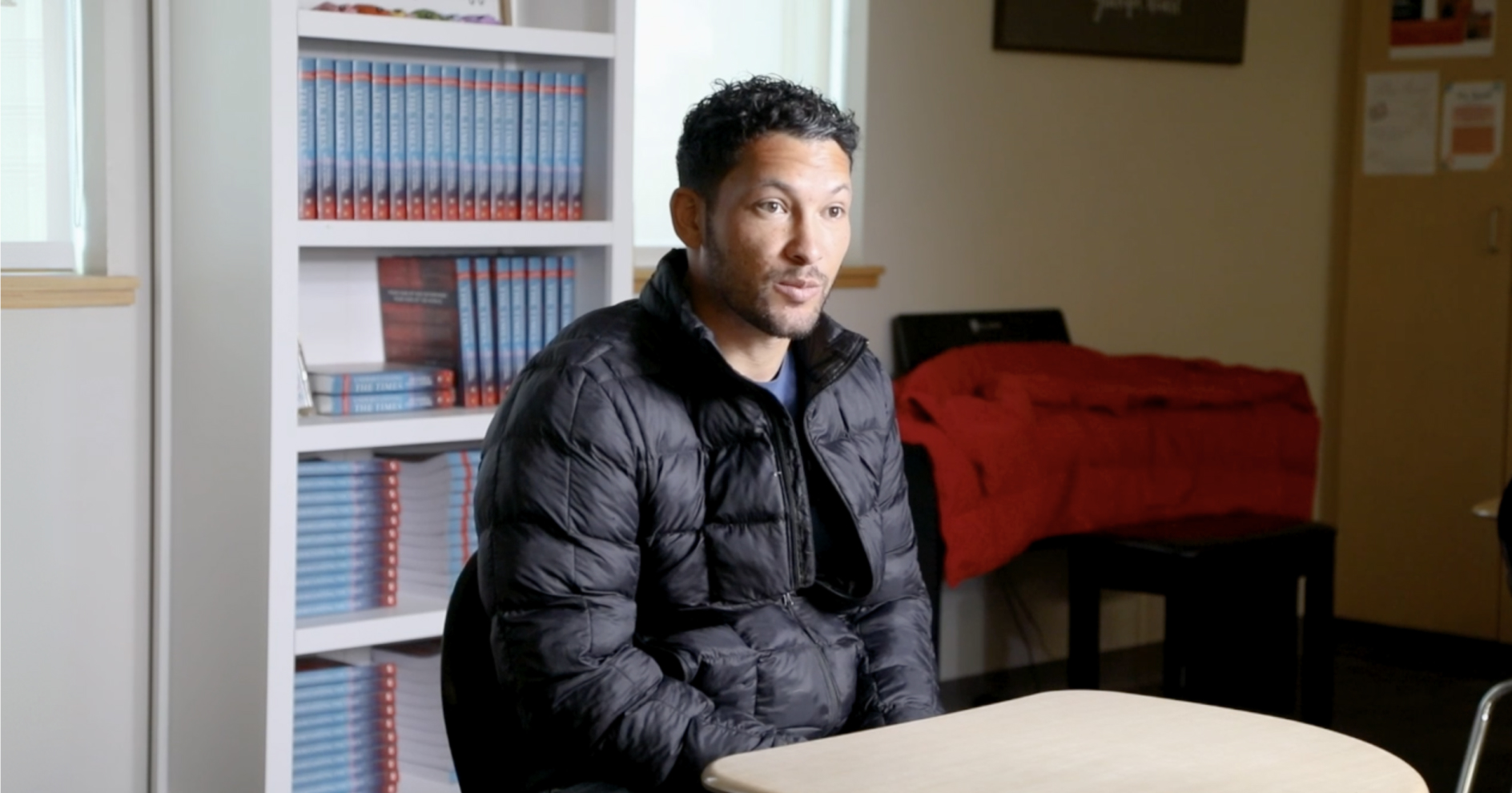
Obviously every second counts when you’re responding to a school shooting, it could save lives, basically it would definitely save lives.
Chris Adams

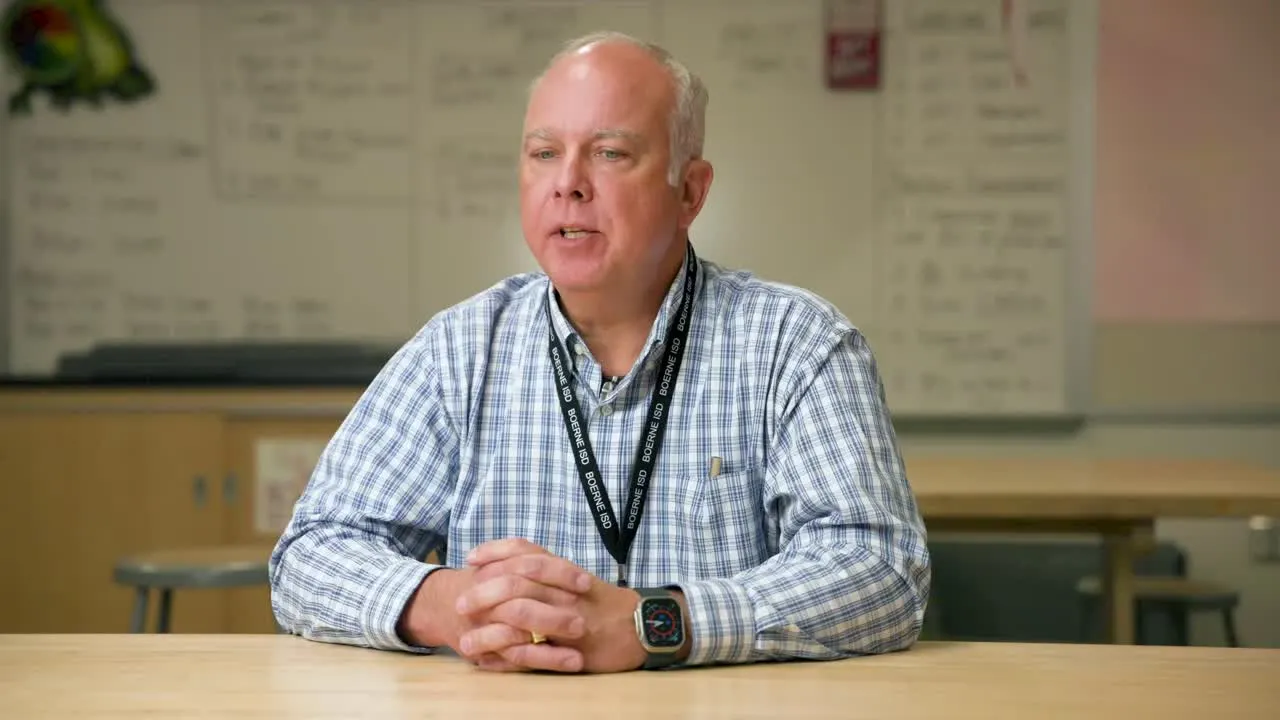
The ability to move as fast as they can, thats because of the preplanning that’s done and its location. So if we can help law enforcement reduce locating subject by seconds, that could mean lives.
Carlin Friar
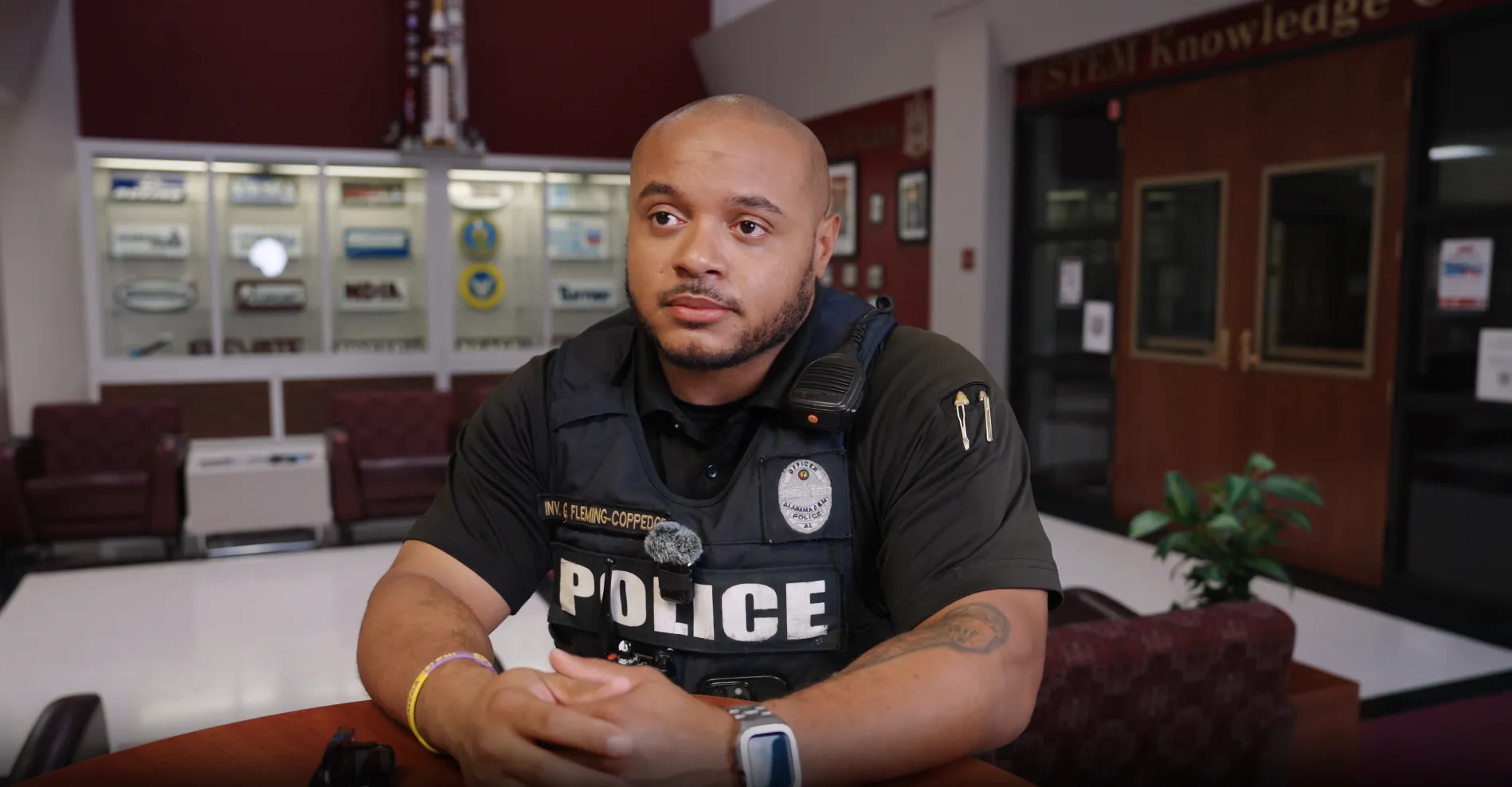
Anything can cut down on response time, make it safer for the officers, kids, teachers -- anything that can push us towards that goal, I'm going to advocate for it.
Grantham Fleming

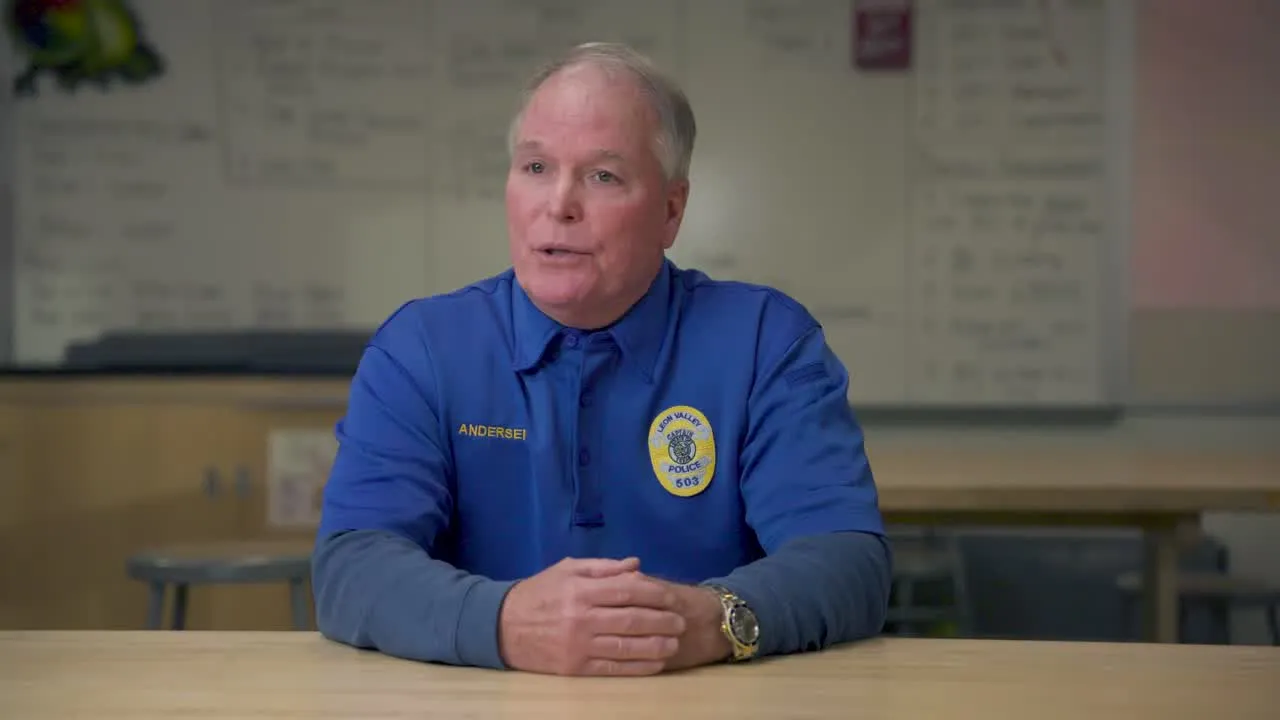
Their ability to get into small areas and to feed back data to our tactical operations centre, was mind blowing... I’ve never seen anything like it.
Chris Andersen

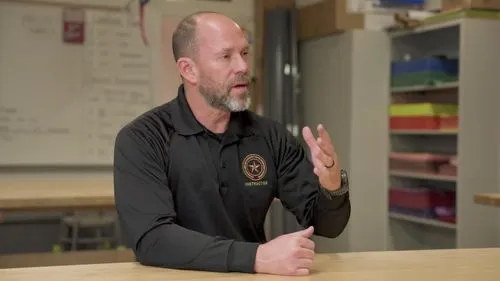
If I'm in route to that scene, and those drones are already up and working and they are able to give me real time and relevant information that it’s not at the front of the building, it's at the rear of the building, well that may save me 30 seconds to a minute on my response.
Rick Goodrich
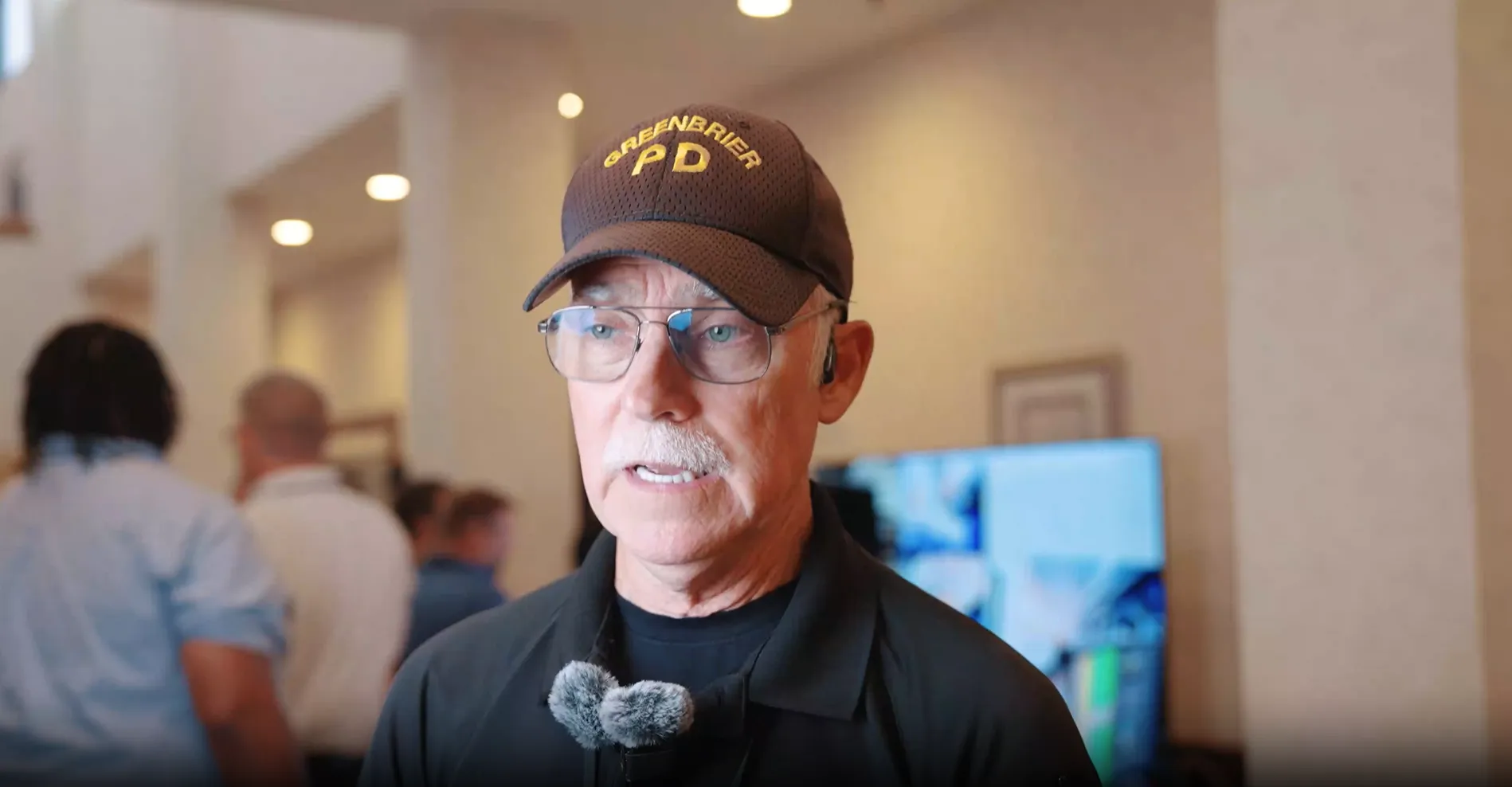
There is still a great deal of danger being the only responder for a few minutes in most cases. I would certainly feel safer as a first responder having the drone go in first.
Robert Wilcox
When you have a high school this size, that drone flying pretty quickly can find the bad guy, which means my staff does not have to slow down their pace to check every single room before we find where the bad guy is.
Tyrone Morrow
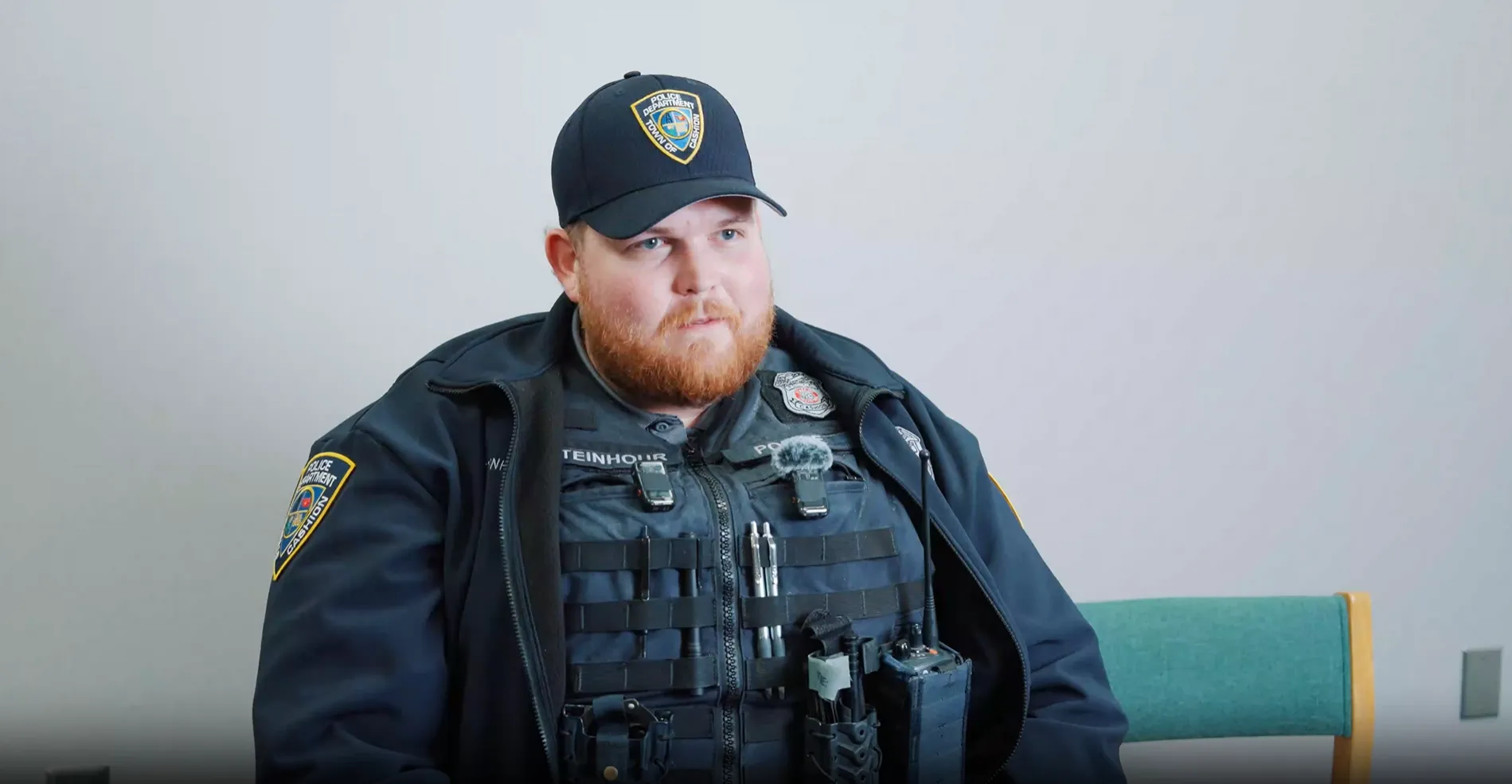
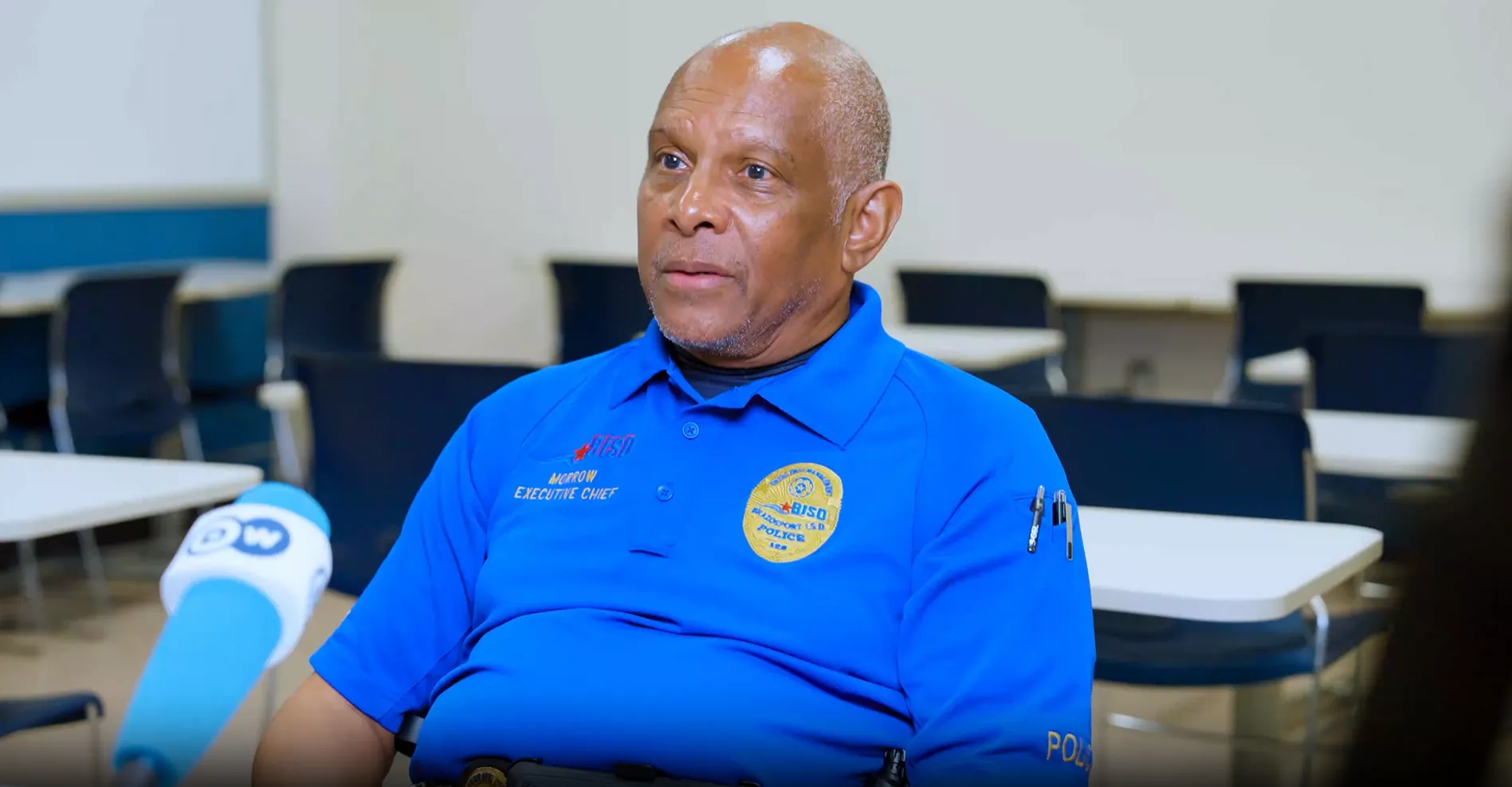
Our kids safety is one of the most important things, alongside their education.
Jake Steinhour
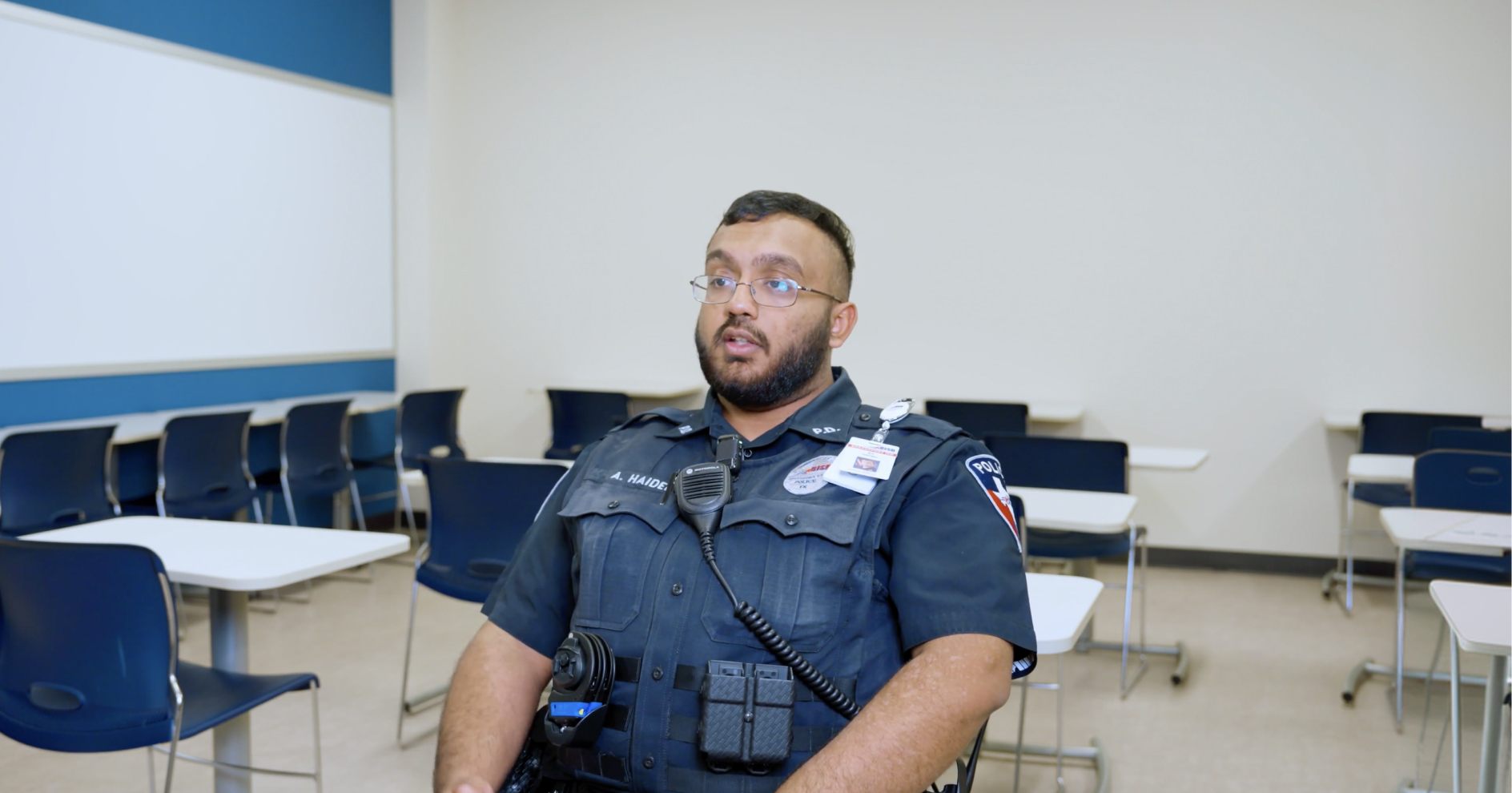
An active shooter is much more easily pinpointed with the drone. The drone has a higher field of vision and more maneuverability as a supplement to the primary ground unit.
Ali Haider

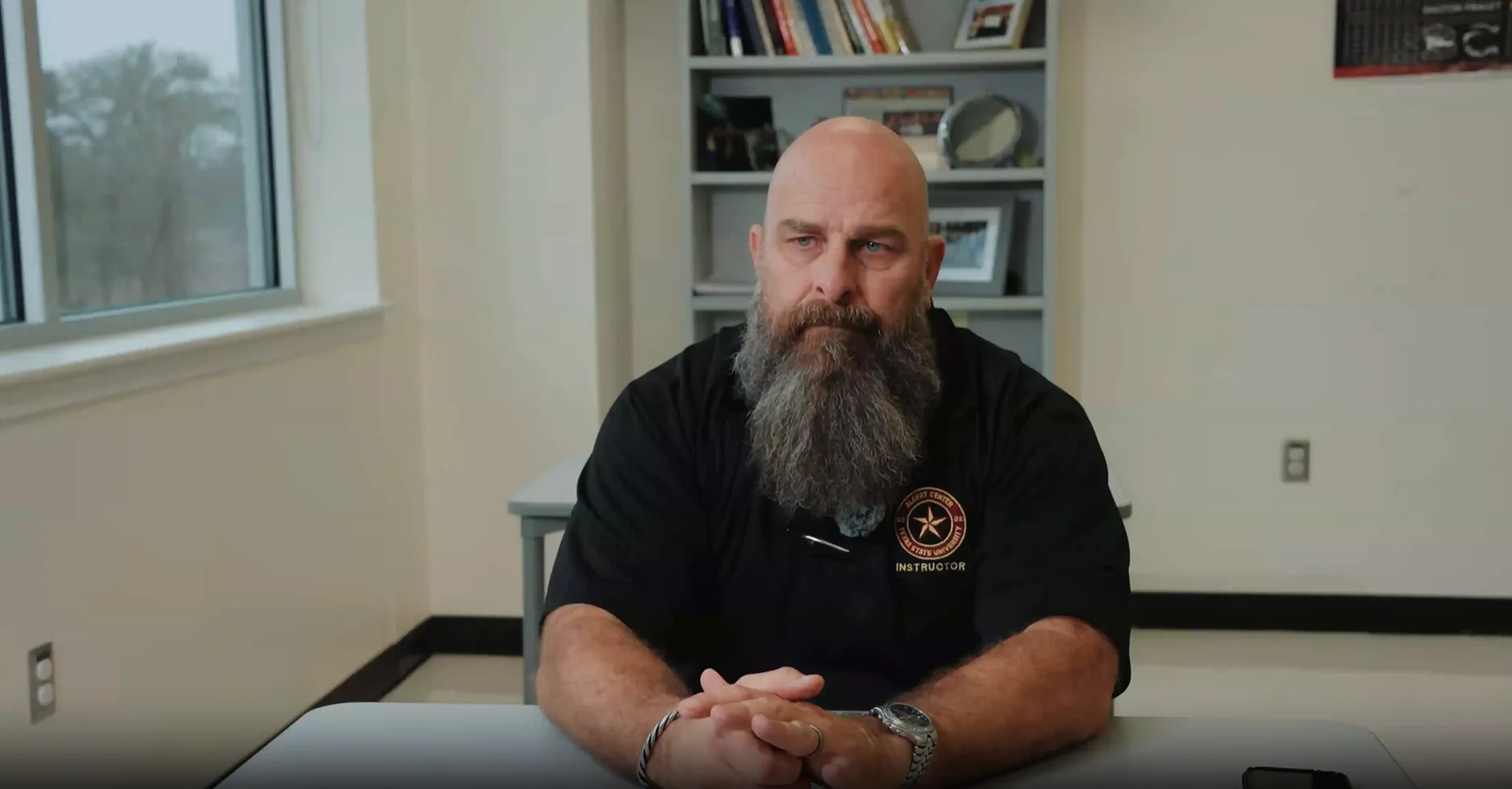
Being able to find the shooter in the amount of time you did... The only way anyone knew where that guy was because of the drone. If we can isolate and distract him, he's not concentrating on the kids.
Brian White

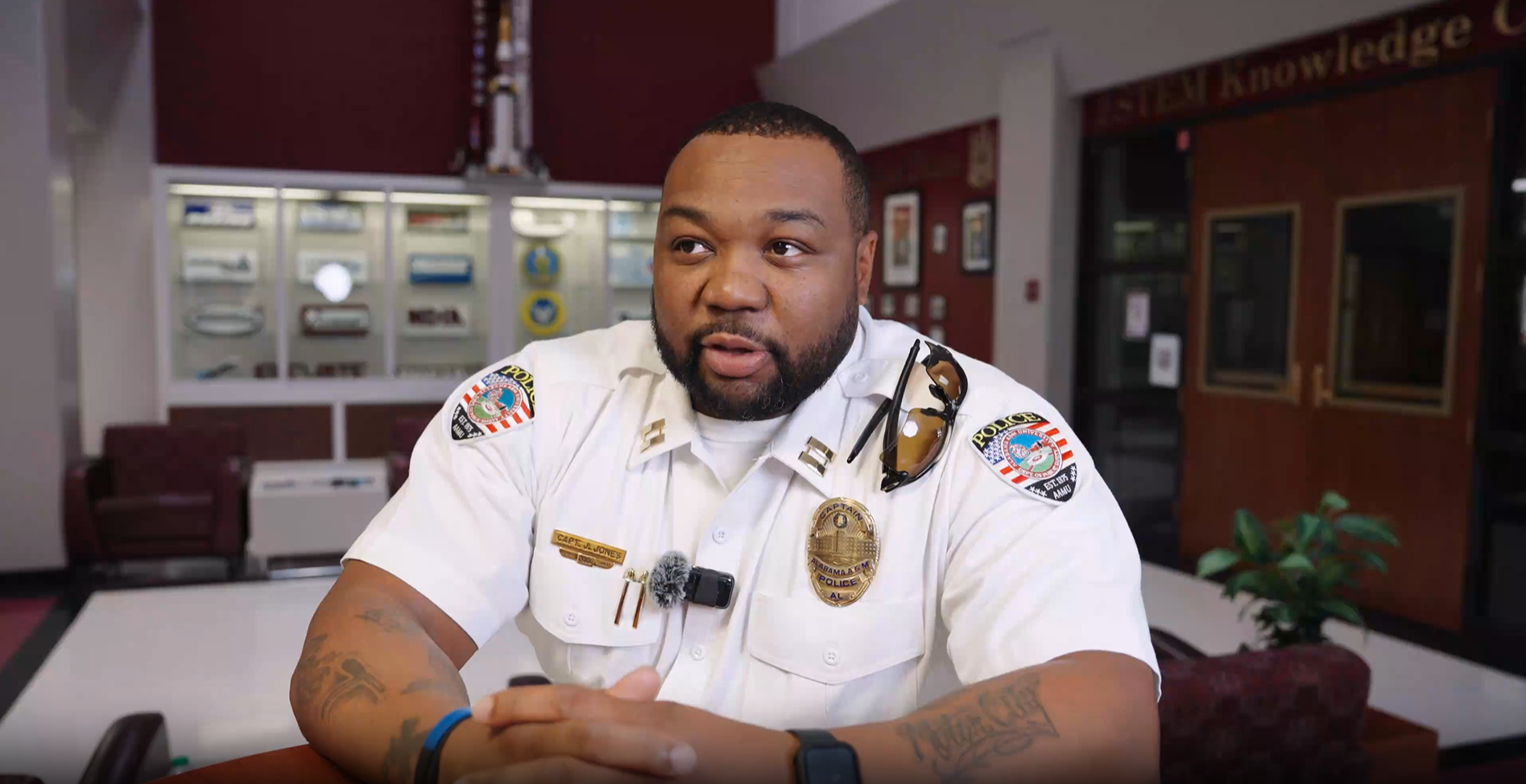
Now at their fingertips, if they hear something like a shot fired or students screaming, they can access the app, let us know what's going on. We get the alert, y'all get the alert, and then the drone is automatically deployed and start taking care of business before we get there.
Jami Jones
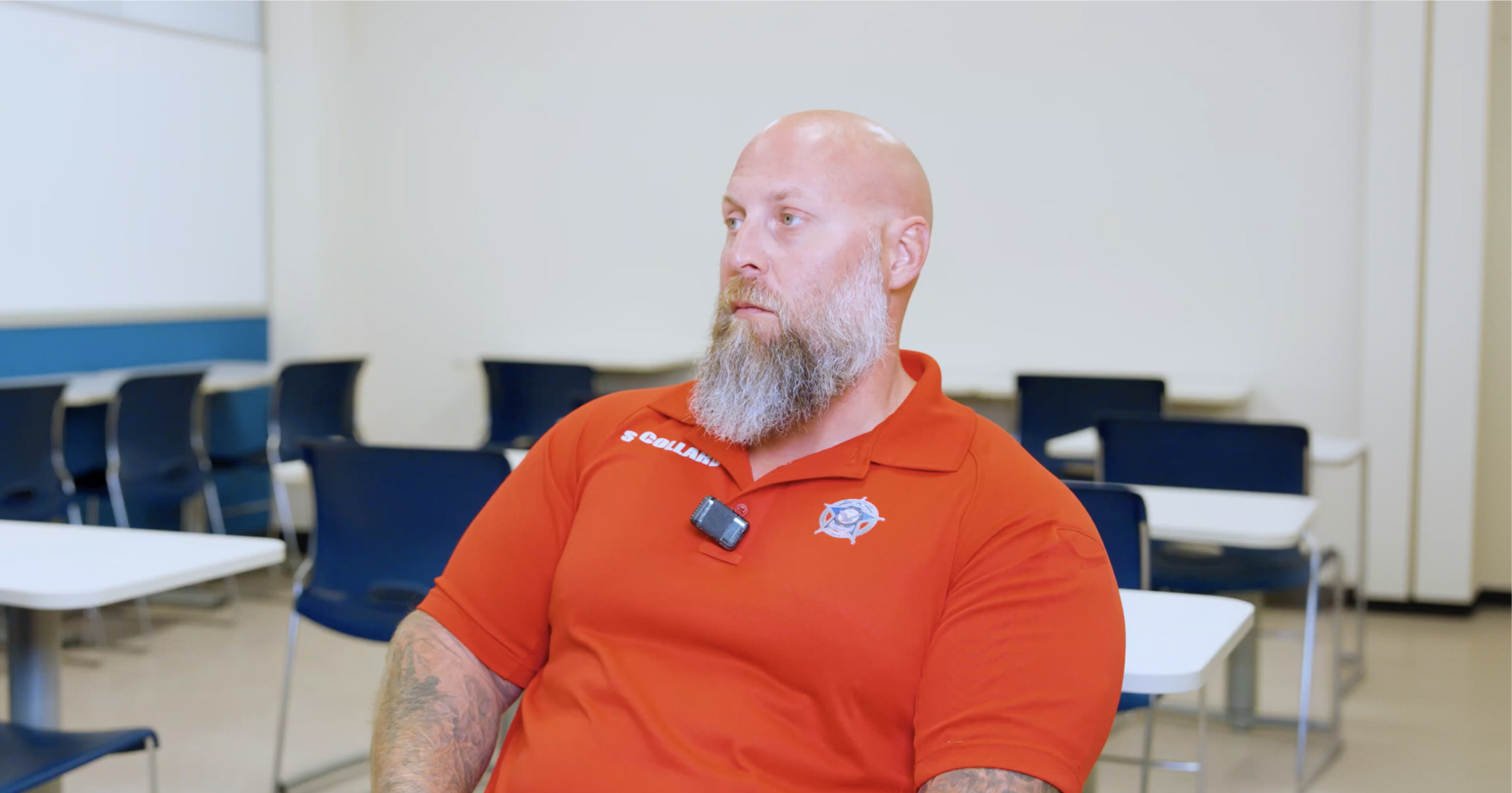
If this takes their attention away from me or kids or staff, then I'm all about it. Ultimately, taking the attention away for that split section, that gives anyone else coming in after that drone the advantage.
Seth Collard
It’s life saving for our students, for our staff, for our law enforcement officers, and the response time is just phenomenal.
Jason Davis

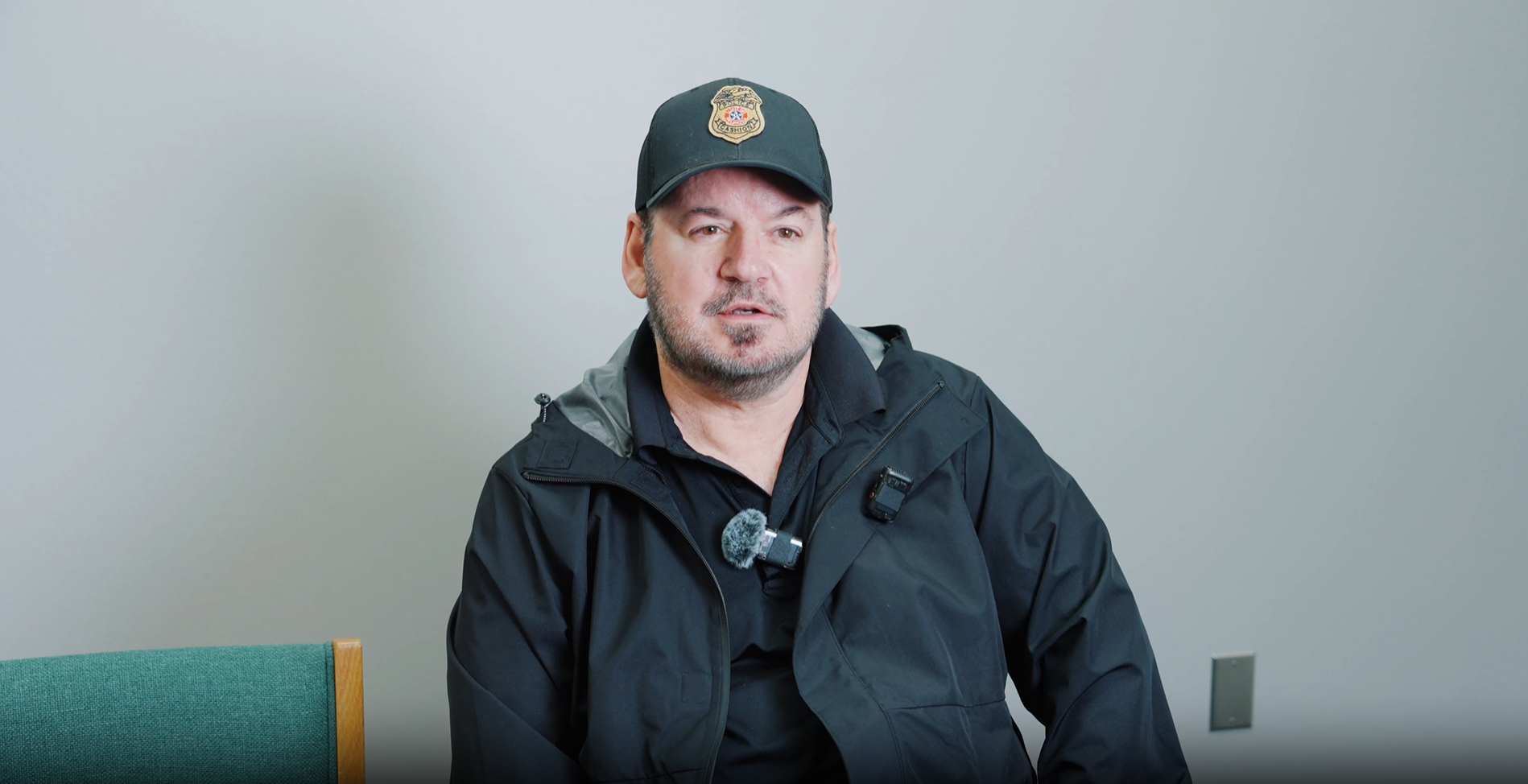
I was pretty surprised at the force of the drones, how much power they had, how they could knock down the dummy.
Tony Baldini

If this takes their attention away from me or kids or staff, then I'm all about it. Ultimately, taking the attention away for that split section, that gives anyone else coming in after that drone the advantage.
Larry Baimbridge

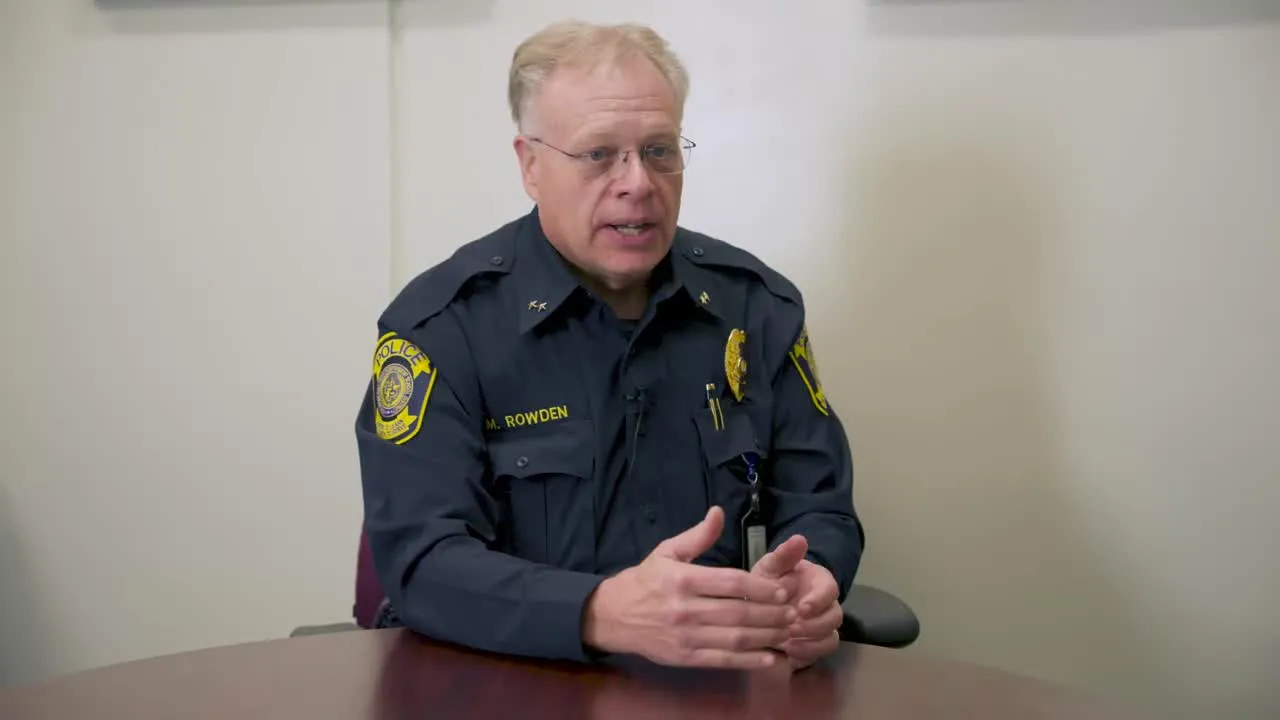
Having a drone that is a whole lot more replaceable than one of my officers going around a corner and seeing that danger, and us being able to respond to that danger before we go round that corner is a lot safer than it is the way we have to do it without drones.
M Rowden


Lower cost for better safety protection
CGA is far lower cost than achieving the same time to contact using only SROs and security guards.
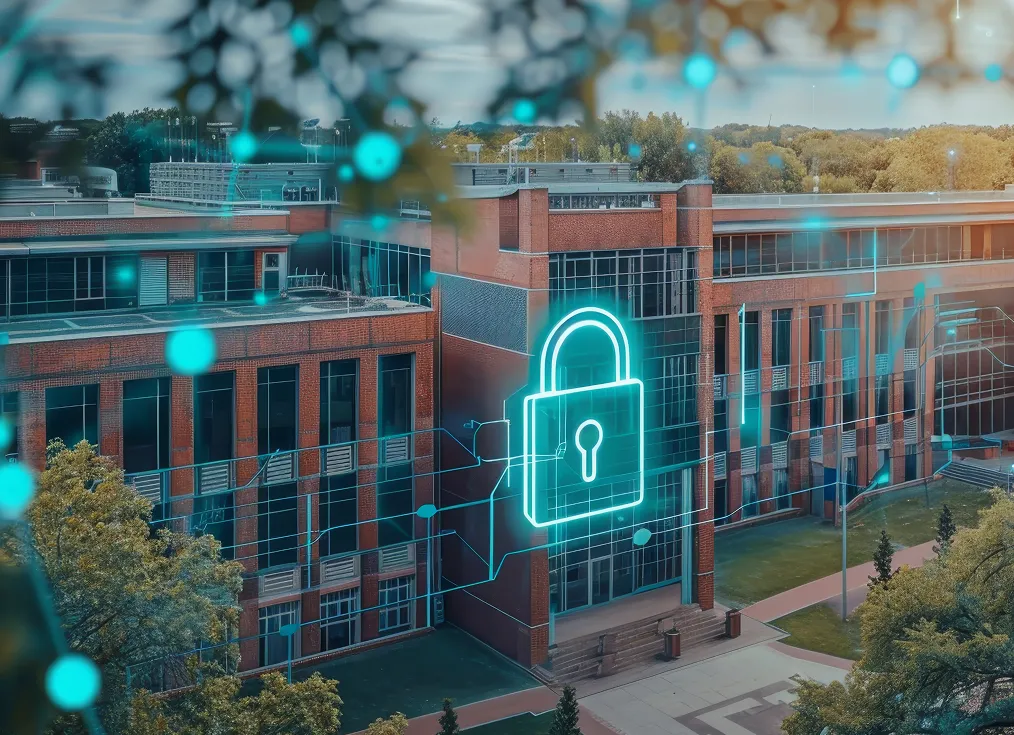

Integrates seamlessly into your campus
CGA handles all install and setup, with typical initial digital twin creation, onsite install, and deployment readiness able to take place in under 3 months.
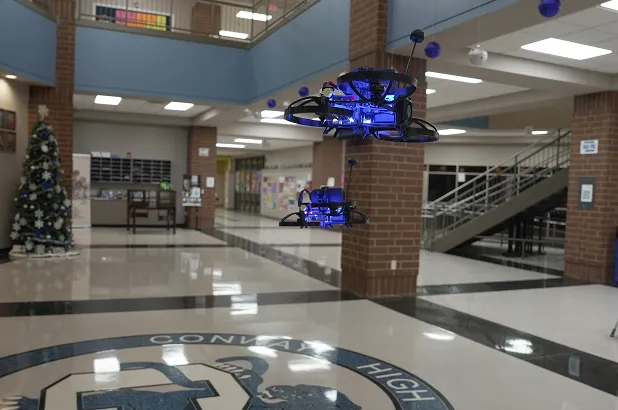

Increases parent trust and staff satisfaction
Having CGA on your campus gives staff and local law enforcement greater confidence in ensuring the safety of your students and teachers if there's an active threat.
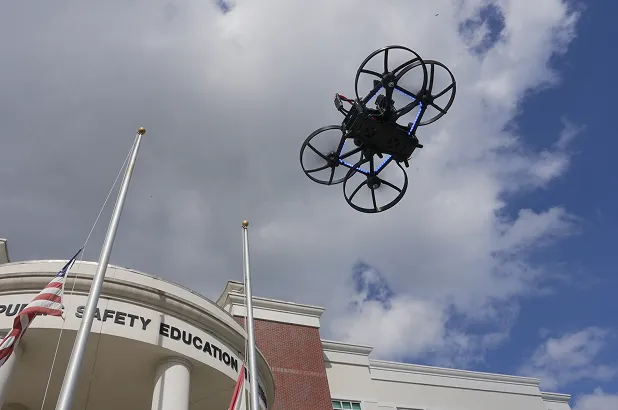

FAQs
Find answers to common questions about how our products and teams work to protect schools and support safer communities.

Who makes your drones?
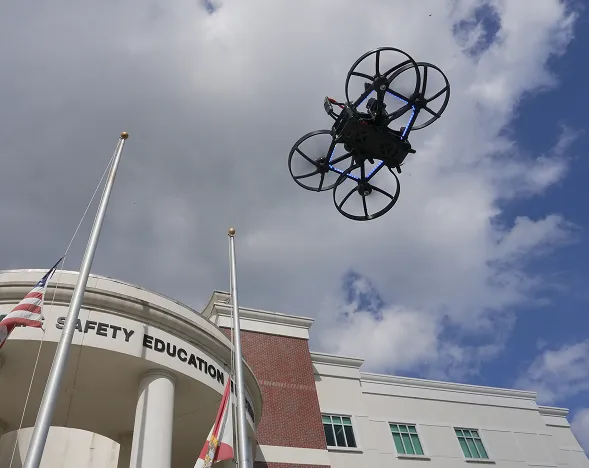
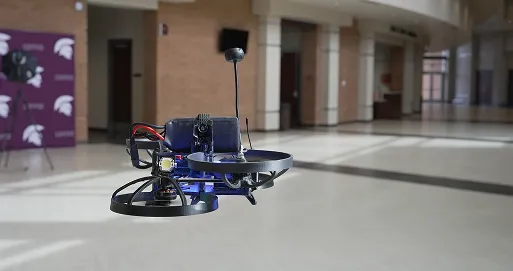
We manufacture our own drones and their firmware, because our needs are very specific - agile drones for indoor use, allowing remote piloting from thousands of miles away.
What’s unique about your drones?
Campus Guardian Angel’s drones are American-made and affordable. Additionally, they have a wide range and can be flown from thousands of miles away.
Can your drones be hacked?
We have modeled our security architecture for managing and flying drones on US classified networks. This means that the network the drones are flying on is hardware encrypted and not internet addressable. We also use encryption and authentication on that isolated domain as part of a Defense In Depth strategy. No system is “100% secure”, but hackers would need to break through many defenses to gain access to our drones, similar to accessing Top Secret networks used by the nation’s senior leadership. We have several people on our team with experience designing and operating US Top Secret classified networks.
What effects do your drones bring?
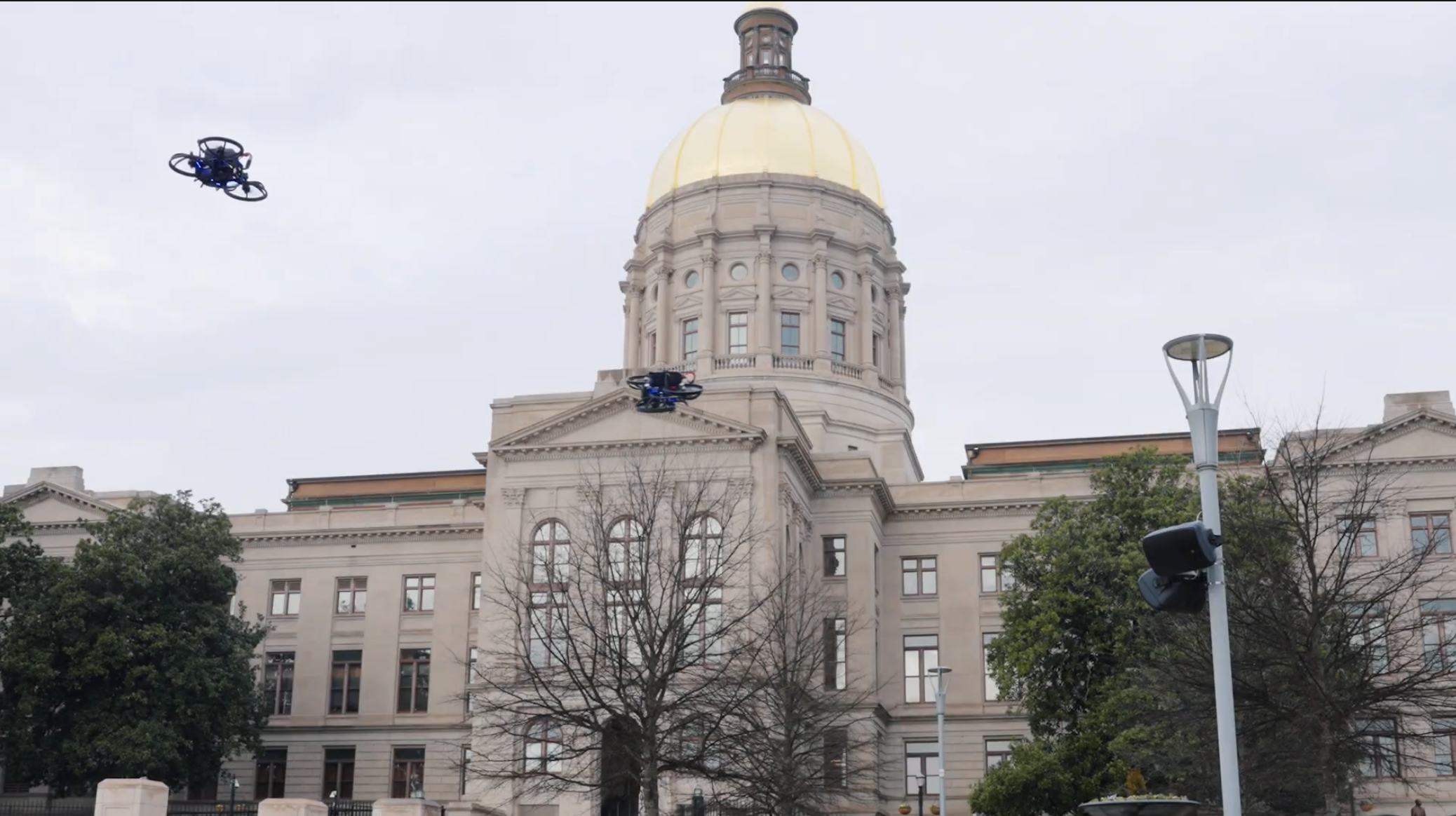
Our drones support two-way communication through an embedded speakerphone, so we can engage verbally with a threat, or communicate to teachers and school staff. The drones can also fly through windows, using a front lance to break through. For distraction, our drones support sirens and strobes. For degradation, our drones support a focused pepper gel spray mechanism that can make it difficult for him/her to see. As a last resort, our drones can be used in kinetic energy hits on a confirmed shooter, to greatly degrade or incapacitate him/her. Our goal is to escalate the effects in waves of 3 drones, keeping the shooter occupied until he/she can be apprehended by authorized responders.
When do the drones decide to apply effects?
The drones do not decide anything, we don’t use AI. Our operations commanders decide when to apply effects, instructing our human pilots to do so. Our commanders always attempt to gain permission for use of force from a sworn officer or school administrator at the district or location before acting, however in situations in which lives are at immediate risk, we will act to intervene immediately.
Why don’t you put guns on the drones?
Primarily because lethal effects are not necessary to stop school shooters, and they would dramatically increase the impact of any mistaken actions (over pepper spray). Bullets can pass through walls, injuring or killing bystanders on the other side, whereas all of the effects of our drones are tightly constrained and less lethal. A unique attribute of a drone-based response is just how effective they can be against a person who is lethally armed.
In addition, research shows that many school shooters are suicidal before they are homicidal. In these cases, the use of non-lethal deterrents can actually be more effective, as they deny the attacker the outcome they may be seeking.
Are you watching the kids in the school all the time?
No. Other companies do continuous monitoring for active shooters as part of their service offering, our goal is to activate and begin watching cameras once we are activated by a teacher in a given school.
How do you know when to respond?
We can be activated in different ways, including - via a mobile app, 911 call, panic button or gun detection technology.
How do you get access to on-site cameras?
We integrate with a school’s existing cameras. We place a special network box at the school site, behind the firewall. It operates similarly to an Internet Of Things (IOT) home appliance, collecting the sensor data and then forwarding it over to our servers over a secure connection. We downsample the video (make it smaller) so that we can get all the on-site cameras to stream thumb nail videos to our ops team. Note again that we only commence this video forwarding once we are called to investigate a shooting in that moment, and we stop the video streaming once the event is completed.
Is your technology secure?
For our apps, we do use encryption and strong authentication. Access to our drones is deemed more sensitive, so we use additional security mechanisms for communicating with and controlling our drones that are similar to how US classified networks operate.
Do you know where people are?
Yes. We use GPS to get an area for each person, and we integrate with beacon-based systems such as some panic buttons that provide more accurate location information.
How do you create the digital twin of the school?
We use a special sensor (LiDAR) and camera to create a digital copy or twin of a school. We then import that data set into our 3D viewing application, built on a video game engine called Unreal.
Who do you have in your response team?
We have a mix of former elite US special forces and law enforcement professionals, as well as elite drone racing pilots. Together they work to find the threat, confront the threat with drones, and communicate with other stakeholders including law enforcement, school staff, parents and students.
How big are your teams?
Each team has 11 members, made up of:
- An operations commander with decades of tactical experience who controls actions of our team.
- Four nationally ranks drone racing pilots.
- A threat tracker who’s job is to find and follow the threat through our digital twin of the school.
- A common operating picture manager, who looks at all the video camera feeds and curates the most relevant ones for our team and law enforcement.
- Four liaison officers, who communicate with whoever started the alarm, law enforcement, school employees and parents.
What does your team do when there’s not event happening?
Train and rehearse. Just like an elite special forces unit, we spend a lot of time practicing hostage rescue and active shooter response. Our team also works on the drones and on evolving our apps to improve our situational awareness during events.
How do you train?
We train in our own buildings, training centers we partner with, at schools that have deployed our service together with their security resources, and in a simulator that we have created to allow us to train more challenging scenarios without causing unnecessary stress to children or teachers.
Isn’t it dangerous to train around kids?
We currently only train with law enforcement when children are not in the buildings. We plan to participate in joint drills with schools only once school administrators are comfortable with and have approved the perceived risks involved.
How long does it take to train officers?
Typically 1-3 days - it’s a lot like working with a canine, which many officers have practiced, but we can talk to the officer through the drone to understand each other versus relying entirely on hand signals with a dog.
How did you get started doing this?
Our founder Justin Marston watched how drones were incredibly effective against infantry soldiers in Ukraine, even though the drones do not have guns. One Ukrainian special forces operator told us that in 600 missions, the drone had only got shot once, even though the targeted soldiers could hear the drone coming and knew what to expect. It’s similar to trying to shoot a mosquito. The challenge in school shootings is all about response time - every second matters and every delay can increase loss of life. Justin realized that if the drones could be low enough cost and flown remotely, they could be put everywhere like fire sprinkler systems, and then operated by a centralized elite team.
Justin reached out to Bill King in November 2023, who had recently retired from the SEAL teams, and Bill thought the model could work. We then scheduled a technology demonstration at the Rosedale School Active Shooter Training Site in Austin, and recruited some of the best drone pilots in the country to fly against former elite special forces threat actors. The technology demonstration was successful, and that that led to the company being formed.
Who are your founders?
Justin Marston is a serial technology entrepreneur in Austin, having previously started four other investor-backed technology companies in national and cyber security as well as consumer and business software (SaaS). Bill King is a Navy SEAL veteran, having spent 32 years in the SEAL teams, he has been involved in numerous operations around the world including hostage rescue operations, and kinetic strike operations with Predator drones.
Can’t we just ban all the guns instead?
This is a political question, and not one that we can help with. Given the US Constitution, it seems extremely unlikely that guns will be banned anytime soon, and our focus is on how we can make kids safer from gun violence right now.
Isn’t this a slippery slope to mass surveilance?
Most schools already have hundreds of cameras in each school, filming all the time. Our drones require a human pilot and have a 12 to 15 minute battery life before needing to be recharged. In a typical school, the existing camera systems will capture decades worth of video footage each year while our drones will typically capture only a few hours of footage each year.
Can it help with false alarms?
Yes. False alarms cost school districts millions of dollars each year and often take hours to clear. Our central team having a fused sensor picture (video cameras, other sensors as deployed) of what's happening in the school reduces the pressure during room clearing operations. Also, our drones can clear more quickly and more safely than requiring armed officers brandishing guns to move through every room of the school. Our goals are to work with on-site law enforcement to clear the alarm as fast as possible, minimizing the risk of collateral damage and trauma projected on children and staff during the lockdown. Having access to real-time information can reduce the unknowns for teachers and avoid mistaken identity – such as thinking the sound of officers clearing toilet stalls is in fact gunfire.
Are false alarms really a big deal?
A third of high schools went through a gun lockdown they believed was real in the 2022–23 school year (Pew Research). False alarms can still cause significant trauma in both teachers and students, especially when they are prolonged and people are unsure whether they are real or not. We have spoken to teachers who are still traumatized from false alarms years after they occurred. Better communication during alarms and faster resolution are key to minimizing trauma.
Articles
Insights on our technology, safety innovations, and how we're shaping the future of school protection.
This distinction is crucial for student privacy.
Approximately 5% of incidents were stopped by an armed individual using a firearm before additional law enforcement arrived.