Owen Oppenheimer
•
June 30, 2026
Privacy: What We Do When Nothing Is Happening Matters
June 30, 2026
Whenever a school introduces new safety tech, parents immediately wonder if extra protection comes at the cost of constant surveillance. Right now, most schools rely on a messy patchwork of security tools that operate in isolation, which usually creates confusing, fragmented data instead of a clear picture of what's actually happening.
This distinction is crucial for student privacy. There is a fundamental difference in how a system is built. A system that watches continuously creates a permanent log of where kids go, who they talk to, and how they spend their free time. On the other hand, a system designed to stay completely dormant until a threat is verified avoids creating that paper trail entirely.
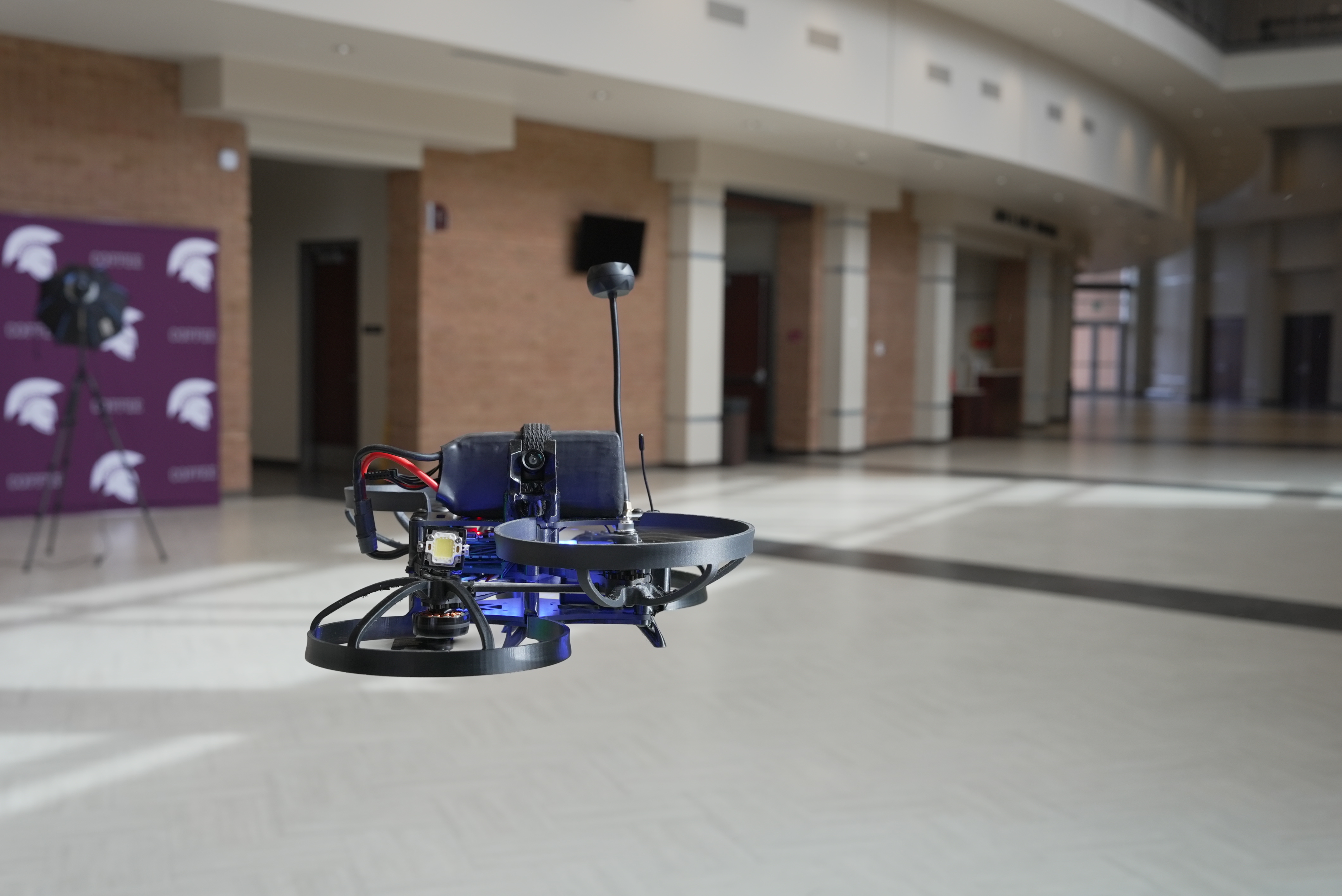
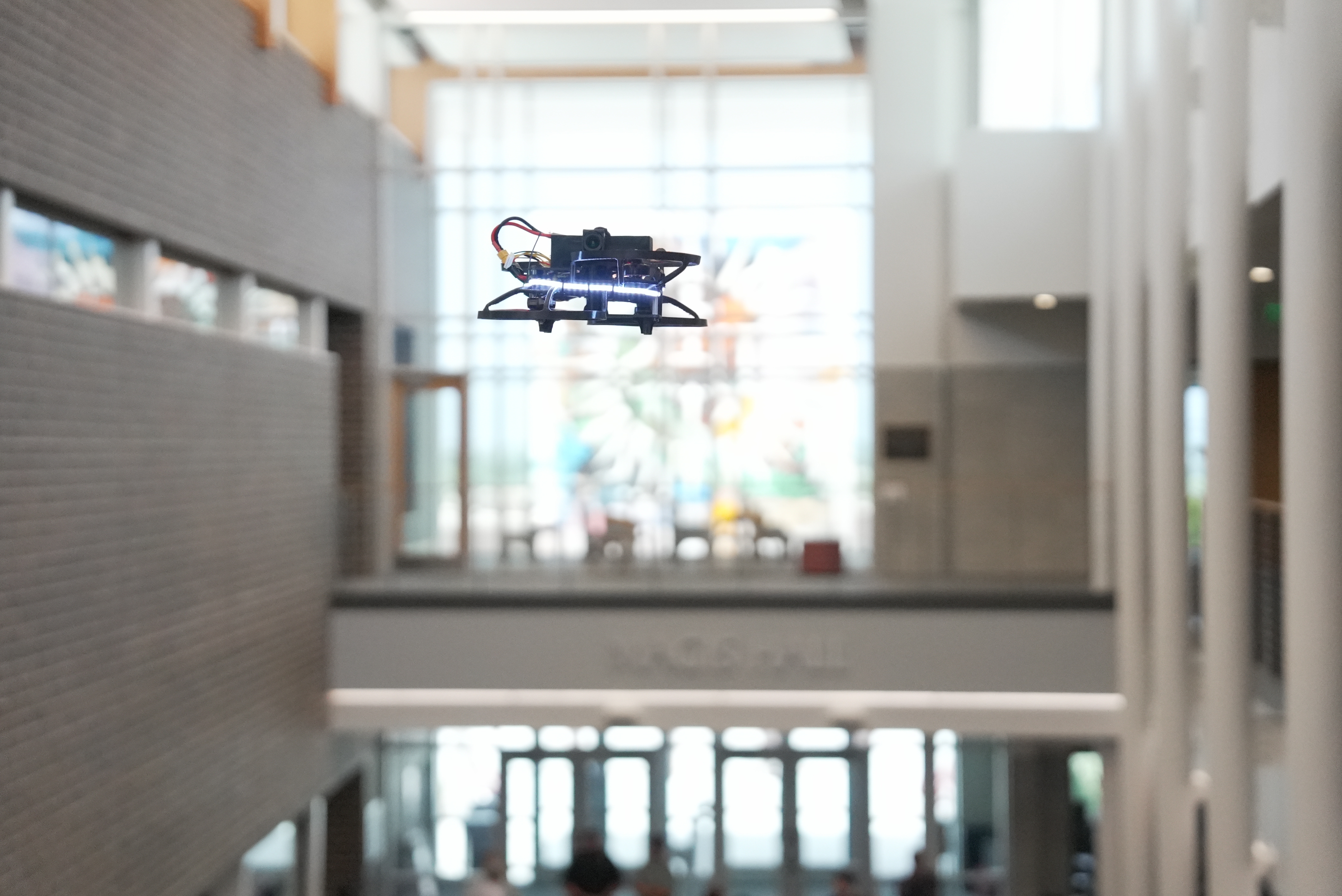
Campus Guardian Angel’s drone-based response system falls into this second category. The units sit on standby, completely out of sight, and are never used unless there is an active emergency. Even the existing school cameras are only pulled into the feed once an event begins, and for a single purpose: helping first responders locate and disable a threat faster.
This also addresses another major worry for families, which is getting reliable communication during a crisis. During many school lockdowns, parents are left in the dark for agonizingly long periods. In one recent incident involving a credible threat, staff and parents received no updates for nearly 50 minutes. That kind of silence causes its own lasting trauma.
Fixing this requires a dedicated, intentional approach to communication. Having a designated liaison to push out real-time updates to staff, students, and parents, during both real emergencies and false alarms, fills the terrifying information vacuum that defines these situations.
None of this completely removes the underlying tension. Schools always have to balance physical safety against the risk of normalizing constant monitoring for children, and parents are entirely right to scrutinize where any new tool sits on that spectrum.
However, the real test for any security system isn't just whether it can protect people during a crisis, but how it behaves during the thousands of hours when no threat exists. Technology that defaults to silence, triggers only upon confirmation, and restricts data access to active incidents operates on a completely different philosophy than always-on surveillance. Ultimately, the question parents should be asking isn't just what a system can do, but what it does when everything is fine, because that is the state it will be in almost all of the time.